
.jpg&w=640&q=75)
9 min. to read
History of the creation of the legendary store
A house with a rich past
The building at Tverskaya Street, 14 was constructed at the end of the 18th century by the outstanding architect Matvey Kazakov. Originally, it was a palace for Yekaterina Kozitskaya, the wife of Empress Catherine the Great’s state secretary and one of the wealthiest women in Russia at the time. In the early 19th century, the mansion became a famous literary salon that gathered the most prominent creative figures of the era. The following writers read their works here:- Alexander Sergeyevich Pushkin
- Yevgeny Abramovich Baratynsky
- Adam Mickiewicz
- Pyotr Andreyevich Vyazemsky
- Vasily Andreyevich Zhukovsky
Turning the palace into a gastronomic store
At the end of the 1890s, the building was purchased by St. Petersburg millionaire Grigory Yeliseyev, a member of the famous merchant dynasty and owner of the largest gastronomic store on Nevsky Prospekt in St. Petersburg. He conceived the idea of creating a store in Moscow that would become the capital’s calling card and a representation of the two-century traditions of the Yeliseyev family. To carry out this ambitious project, architect Gavriil Vasilyevich Baranovsky was invited. For several years the building was hidden behind wooden screens to maintain the intrigue and surprise Muscovites. The architect created a unique space by combining two floors and demolishing the marble staircases. The interior was a harmonious blend of eclecticism and Renaissance, neo-Baroque with elements of Art Nouveau.The grand opening of 1901
The store’s opening in 1901 became a real event for Moscow. The ceremony began with a prayer service and a ceremonial dinner for select guests, who were personally greeted by Grigory Yeliseyev himself. The celebration ended with a performance by the gypsy choir from the famous Yar restaurant. The public was stunned by the unprecedented luxury and variety:- Exotic fruits — pineapples, papayas, Japanese cherries
- Rare seafood — oysters, lobsters
- Exquisite delicacies — French truffles, anchovies
- The richest selection of wines and rare beverages
- Products displayed in spectacular pyramids in the European style
Architectural splendor of the interiors
The Yeliseyevsky store is rightly called the Hermitage of stores. Its interiors breathe the perfection and harmony of 18th–19th-century art. Visitors are greeted by:- Huge crystal chandeliers shaped like bunches of grapes
- Exquisite stained-glass windows crafted by the best masters
- Painted walls with golden stucco
- Majestic arches and columns
- Artistic ceiling paintings
Assortment and traditions of Yeliseyevsky
Gastronomic variety
From the moment it opened, the store amazed Muscovites with the richness of its assortment. The gastronomic store had five departments:- Confectionery — cakes, pastries, exclusive chocolate
- Grocery — rare varieties of coffee and tea, olive oil
- Fruit — exotic fruits from around the world
- Wine — a special pride of the Yeliseyev dynasty
- Crystal — products from the famous Baccarat company
In-house production
Located in the store’s cellars were:- A bakery with a variety of breads and pies
- Confectionery workshop
- Smokehouse
- Cheesemaking facility
- Sausage production workshop
- Oil pressing and coffee roasting
Yeliseyevsky during the Soviet era
After the revolution, the store was renamed Gastronom No. 1 and remained the most famous food store in the USSR. Amid the luxurious decor and crystal chandeliers, the aroma of coffee, expensive cheeses, and sausages lingered. A portrait of Grigory Yeliseyev still hung on the wall. In the final years of the war, the store became one of the few establishments with a commercial department. Thanks to its central location and unusually wide product range, Yeliseyevsky remained an object of heightened attention until the 1980s. In the early 1980s, the so-called “Yeliseyevsky Affair” was linked to the store, when director Yuri Sokolov and a group of employees were accused of corruption.The modern period and closure
In 1992, the gastronomic store was privatized and its shares were transferred to the workforce. In 2002, the shares were bought up by business entities, and part of the premises was subleased. From 2005, the store was part of the Alie Parusa (Scarlet Sails) supermarket chain. Despite the chain format, product prices remained affordable, attracting local residents. Tourists came to admire the interiors of the past century and purchase popular Russian souvenirs. On April 11, 2021, the Yeliseyevsky store closed for an indefinite period due to an unresolved ownership status of the premises. The Moscow authorities announced their intention to preserve the legendary gastronomic store as a monument of history and culture.How to get to Yeliseyevsky store
Address and location
The store is located at: Moscow, Tverskaya Street, 14, at the intersection with Kozitsky Lane (named after the palace’s first owner).By metro
The nearest station is a hub of three intersecting stations:- Pushkinskaya (Tagansko-Krasnopresnenskaya line)
- Tverskaya (Zamoskvoretskaya line)
- Chekhovskaya (Serpukhovsko-Timiryazevskaya line)
By surface transport
The “Pushkinskaya Square” stop is right opposite the store entrance; bus m10 stops there. The “Tverskaya Square” stop (3 minutes on foot) is served by routes No. 15, A, and S43.On foot from Red Square
The distance is about 1 kilometer; the walk takes approximately 20 minutes. The route goes through Manezhnaya Square and then up Tverskaya Street to the store.Yeliseyevsky as a cultural phenomenon
The Yeliseyevsky store is a unique phenomenon in the history of Russian trade and an example of Russian merchant craftsmanship. It attracts tourists from all over the world not only with the opportunity to shop, but also with the chance to immerse themselves in an atmosphere steeped in the spirit of the Catherine era, Pushkin’s times, balls, and literary salons of past centuries. Here you are not only allowed but encouraged to touch things with your hands — that is exactly how Grigory Yelis奉ev conceived his temple-store, where gastronomic and historical delicacies intertwine into one, creating the unique aura of a place where the past and present meet. We can only hope that the legendary gastronomic store will receive a worthy continuation of its resounding fame and will once again open its doors to visitors eager to touch the living history of Moscow.
Sights Nearby


.jpeg&w=750&q=75)


%20(1).jpg&w=750&q=75)


Latest Articles
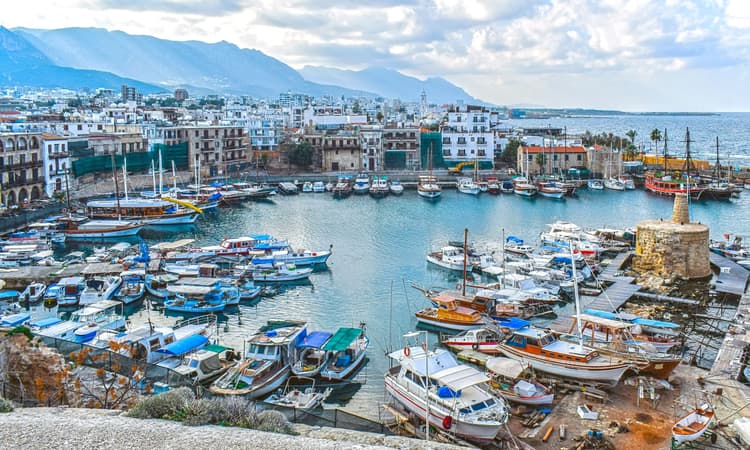
Cyprus: Europe’s Sunniest Destination – 300+ Sunny Days
Explore Cyprus, Europe’s sunniest destination with 300+ sunny days a year. Discover top resorts, best seasons to visit, and why it’s perfect for a holiday.
Read more

Belly Fat and Aging: New Scientific Discoveries
Recent research reveals how belly fat accelerates aging, boosts inflammation, and increases Alzheimer's risk—discover key health insights and prevention tips.
Read more
.jpg&w=750&q=75)
Burning Fat with Your Mind: How “Remembering” Cold Activates Brown Fat and Boosts Metabolism
Discover how recalling cold memories can trigger your brain to activate brown fat, boost metabolism, and aid weight loss—even from the comfort of a warm room.
Read more
Bridging the Education Gender Gap: Why Boys Fall Behind and How to Close It
Boys globally lag in language skills due to peer influence, stereotypes, and systemic issues—discover causes, impacts, and strategies to close the education gender gap.
Read more

How Intense Evening Workouts Disrupt Sleep, Says Monash University Study
Intense workouts within 4 h of bedtime delay sleep, cut duration, raise resting heart rate, and impair recovery, shows Monash University’s year‑long study.
Read more
Latest News
.jpg&w=750&q=75)
VDNKh Ice Rink 2025–2026: Season Opening, Prices, Schedule & Events
VDNKh ice rink opens 25 Nov 2025–1 Mar 2026. >20k m², tickets from 300₽, night sessions & events.
Read more
%20(1).jpg&w=750&q=75)
New Year 2025-2026 at VDNKh: Festive Program, Ice Shows and Skating Rink
VDNKh New Year 2025-26: huge fair, ice shows, theater, kids events & biggest rink. Dec 25-Jan 11, open daily till 23:00. Festive magic for all!
Read more
.jpg&w=750&q=75)
New Year's Moscow: A Magical Winter Fairy Tale 2025–2026
New Year's Moscow: sparkling lights, ice rinks, festive markets & fairy-tale decor on Red Square, Tverskaya, VDNH, GUM. Magical winter wonderland!
Read more
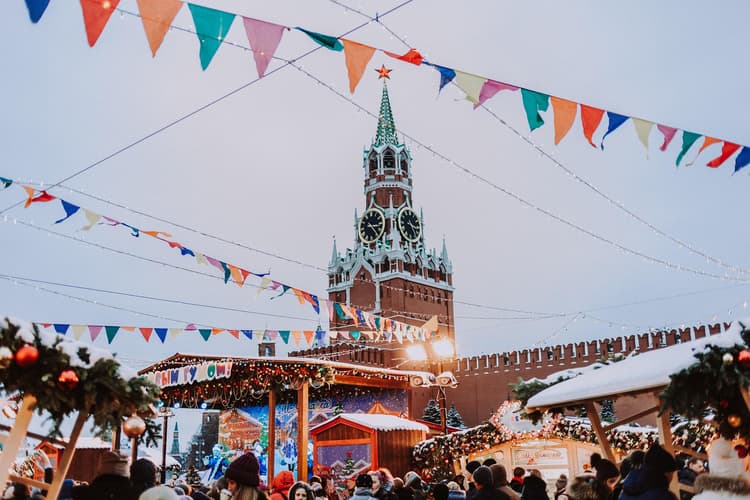
New Year’s Eve 2026 on Red Square: Access, Tickets, and Festivities
New Year’s Eve on Red Square: ticketed entry only, festive rink, market, events, decorations, and free city transport all night.
Read more
.jpg&w=750&q=75)
GUM Skating Rink on Red Square Opens 20th Anniversary Season
GUM Skating Rink on Red Square opened Dec 1 for its 20th season (until Mar 1, 2026). Dymkovo toy design, free weekdays till 14:30, stars at opening.
Read more