
May 8, 2025,6 min. to read
Record Holder for Sunny Days in Europe
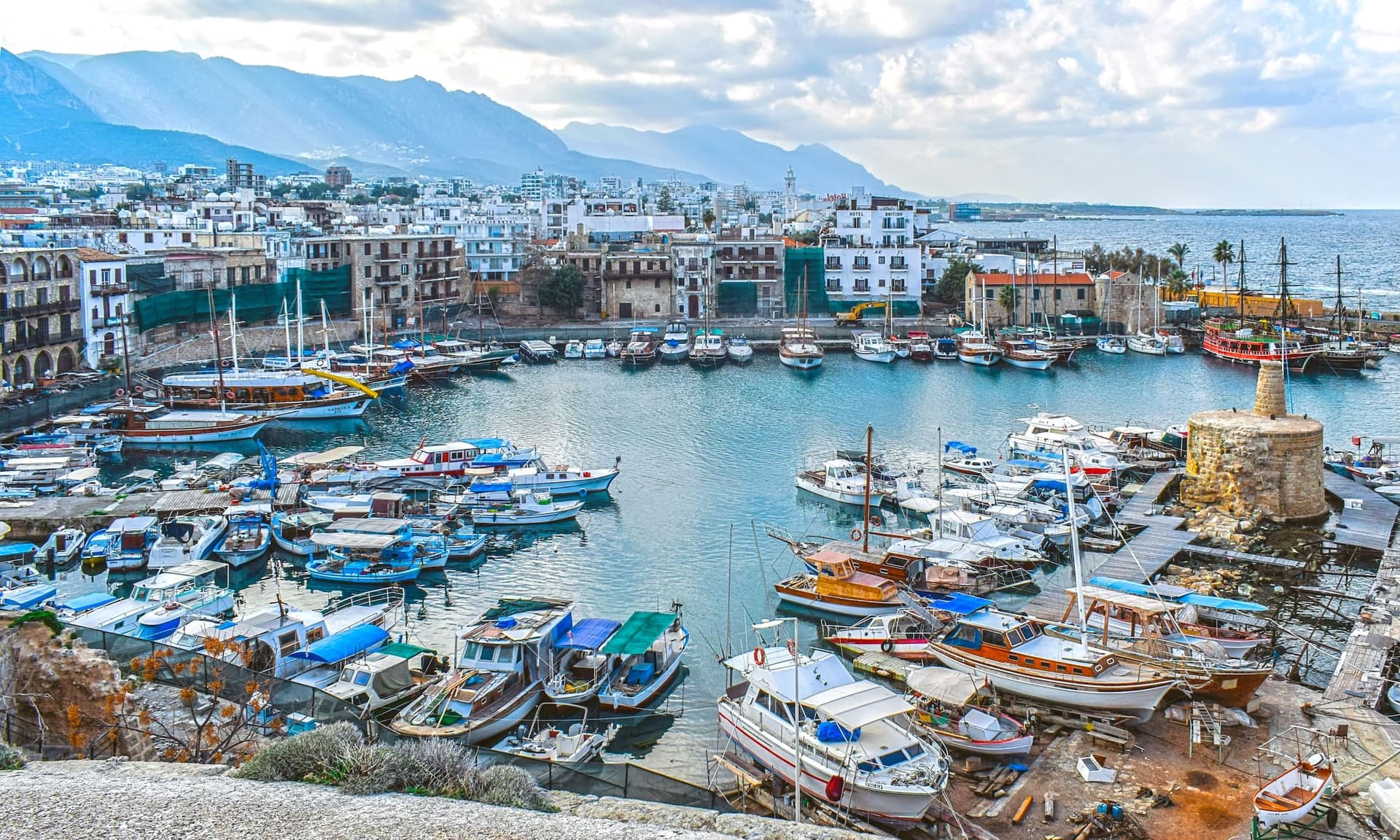
According to a comprehensive analysis conducted by travel experts based on data from World Weather Online and TimeandDate.com, the undisputed leader in the number of sunny days per year among all European countries is Cyprus. This Mediterranean island boasts an impressive figure – over 300 clear days annually. Cyprus’s geographic location accounts for its exceptionally favorable climate. Situated in the eastern part of the Mediterranean Sea, the island enjoys maximum sunlight almost year-round. By May, the average temperature already reaches a comfortable +26°C, and at the height of summer in August, the mercury often climbs above +40°C.Popular Cyprus Holiday Destinations
Cyprus’s tourist infrastructure offers a variety of holiday options, ensuring every traveler finds a resort to suit their taste:- Paphos – a city with a rich historical heritage, listed as a UNESCO World Heritage Site, offering a splendid combination of ancient landmarks and modern beach resorts
- Limassol – the largest resort city, famed for its lively promenade, numerous restaurants, and entertainment centers
- Ayia Napa – a mecca for fans of active holidays and nightlife, known for its crystal-clear beaches and vibrant entertainment program
European Ranking of Sunny Countries
The study provided a complete picture of the distribution of sunny days across Europe. Contrary to popular belief, the usual tourist destinations did not top the list:- Cyprus – over 300 sunny days
- Malta – also over 300 sunny days, making this small Mediterranean island an excellent alternative for sun-seekers
- Spain – around 300 sunny days, just slightly behind the leaders
- Portugal – 290 clear days per year
- Italy and Greece – share fifth place with 280 sunny days annually
Cloudiest Corners of Europe
For completeness, researchers identified the least sunny European countries. The anti-record belongs to Iceland, where there are only 120 clear days per year. Despite this, the country consistently ranks among the top three in terms of population happiness, disproving a direct link between the number of sunny days and overall well-being. Countries with the lowest number of sunny days (around 150 per year) also include:- United Kingdom
- Ireland
- Belgium
- Lithuania
How to Choose the Ideal Time to Visit Cyprus
For tourists planning a trip to Cyprus, it is important to understand the seasonal characteristics of the local climate. Although the sun shines almost year-round, the intensity of heat varies significantly:- Spring (April–May) – the perfect time for a combined holiday of beach relaxation and sightseeing. Air temperatures range from +22°C to +28°C, and the sea gradually warms to a comfortable +20–23°C.
- Summer (June–August) – the peak tourist season with temperatures from +30°C to +40°C and above. Sea water heats up to +27–28°C, providing ideal conditions for beach vacations.
- Autumn (September–October) – the “golden season,” characterized by a gradual drop in temperature to a comfortable +25–28°C, while the sea remains warm at +24–26°C.
- Winter (November–March) – a mild season with temperatures of +15–20°C, ideal for sightseeing tours and wellness holidays.
Why Choose Cyprus
In addition to the record number of sunny days, Cyprus attracts tourists with numerous advantages:- Rich historical heritage, including ancient Greek, Roman, Byzantine, and Venetian monuments
- Diverse beaches – from sandy to pebbly, from bustling to secluded bays
- High level of service and well-developed tourist infrastructure
- Safety – Cyprus regularly ranks among the safest countries for tourism
- Gastronomic traditions, representing a unique blend of Mediterranean and Near Eastern cuisine
Conclusion
Cyprus rightfully occupies the leading position among European countries in terms of the number of sunny days, offering tourists ideal conditions for a holiday almost any time of year. The variety of resorts, rich cultural heritage, and developed infrastructure make this Mediterranean island an attractive destination for both beach lovers and history and tradition enthusiasts. When planning a European trip with a guarantee of sunny weather, Cyprus should be at the top of the potential destinations list.Latest Articles
.jpg&w=1920&q=75)
Chinese New Year 2026: The Year of the Red Fire Horse and Its Traditions
Chinese New Year 2026 begins on February 17 and ushers in the Year of the Red Fire Horse, symbolizing energy, change, traditions, and renewal.
Read more

Who Is an “Ank” and What Does This Slang Term Mean
A detailed explanation of the slang term “ank,” its origin, traits, cultural meaning, ironic use by zoomers, and its role in modern youth language.
Read more

What Is Tilt: Causes, Signs, and How to Regain Emotional Control
Tilt is a state of emotional overload where rational thinking breaks down and impulsive actions take over, common in games, work, trading, and everyday life.
Read more

Phishing in 2026: Types, Risks, and How to Protect Your Data
Phishing uses AI and fake sites to steal data. Learn types, signs, protection methods, and actions if targeted to stay safe online.
Read more
%20(1).jpg&w=1920&q=75)
Cyberbullying: Types, Consequences, and How to Protect Yourself
Cyberbullying is online psychological abuse with serious mental, social, and physical consequences; anyone can be a victim, and prevention requires awareness and action.
Read more

“KFC Boss”: Meaning, Origin, and Why This Slang Term Is Considered Offensive
Explanation of the slang term “KFC Boss,” its meaning, origins, usage online, why it’s offensive, and how people respond to and protect themselves from it.
Read more
.jpg&w=1920&q=75)
Signs of a Gold Digger: How to Recognize Self-Serving Relationships
Signs of a gold digger include obsession with money, expensive gifts, jealousy, entitlement, and using relationships for wealth and status, not love.
Read more
.jpg&w=1920&q=75)
Understanding Trolling: Types, Techniques, and How to Protect Yourself Online
Trolling is a deliberate provocation in online communities aimed at causing conflict. It includes various techniques like subtle, heavy, and pseudo-trolling, and can be harmful.
Read more
.jpg&w=1920&q=75)
What Does “Chinazes” Mean: Origin and Use of a Youth Slang Meme
An overview of the meme word “chinazes”: its origin, meaning in youth slang, pronunciation, usage examples, cultural impact, and why parents shouldn’t worry.
Read more
.jpg&w=1920&q=75)
What Does KEK Mean? Origin and Meaning of the Popular Internet Meme
An overview of the KEK meme: its gaming origins, evolution from StarCraft and World of Warcraft, meanings in slang, cultural ties, and difference from LOL.
Read more