

6 min. to read
History of Loshitsa Estate
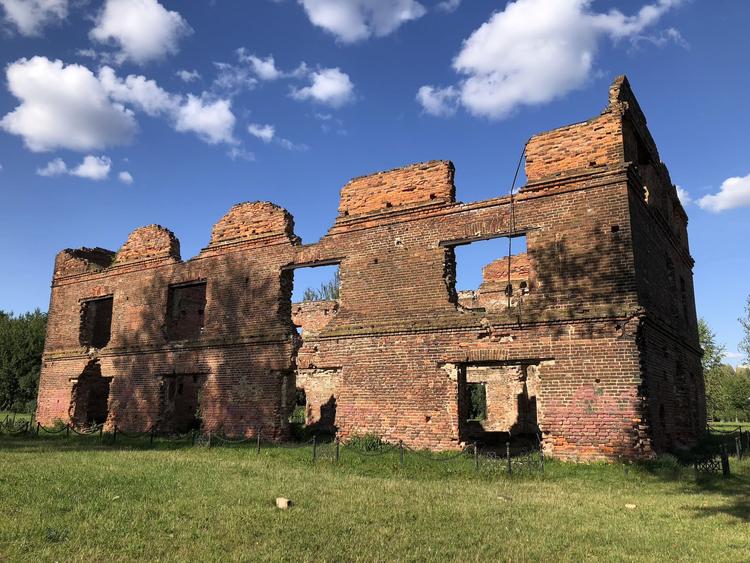
The history of Loshitsa Estate dates back to the 15th century when the lands on which it stands were first mentioned in written records. Over the centuries, the estate changed hands many times, with different owners contributing to its development. However, the most significant impact on its prosperity was made by the Prozorovsky and Lubansky families, who actively improved the estate. One of the most notable owners of Loshitsa was Count Eustachy Lubansky, who lived in the 19th century. It was under his stewardship that the estate took on its modern form. Inspired by European traditions and architecture, Lubansky turned it into a true work of art. He oversaw not only the construction of new buildings but also the creation of a magnificent park, which remains one of the estate's main attractions today. Many of the elements from that period have survived, making the estate a living witness to history.Architectural Features
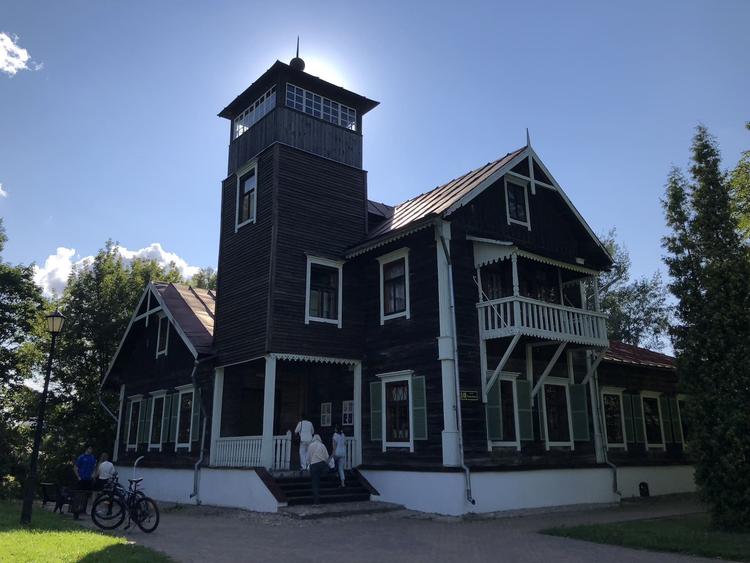
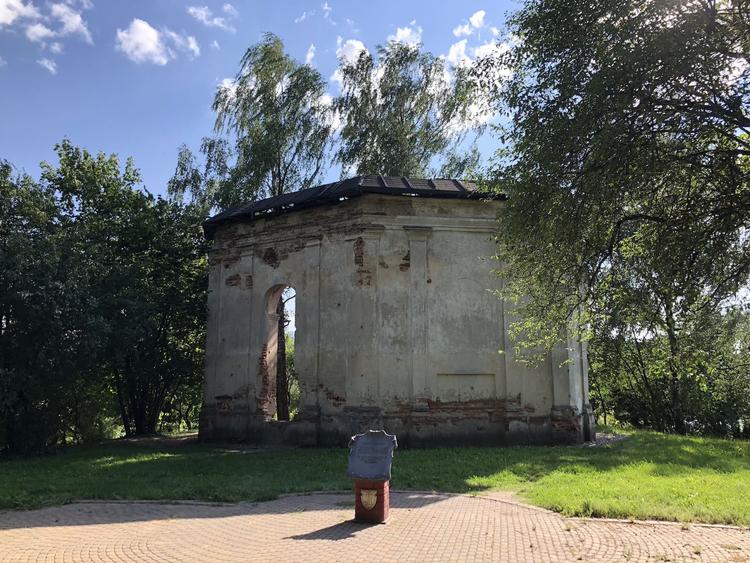
Loshitsa Estate is a complex of buildings designed in various styles, giving it unique architectural value. The centerpiece of the estate is the manor house, built in the Art Nouveau style with elements of classicism and neo-Gothic architecture. Its distinctive facade features tall windows and stucco work, along with decorated balconies and terraces. The interior boasts luxury and sophistication, with marble fireplaces, stuccoed ceilings, and antique furniture emphasizing the grandeur of bygone eras. Besides the main house, the estate includes other structures such as farm buildings, a greenhouse, a manager's house, and even a small church. Each of these buildings has its own unique history and stylistic features. For example, the church, built in the early 20th century, is designed in the Neo-Russian style and stands as an example of traditional Belarusian ecclesiastical architecture.Loshitsa Park
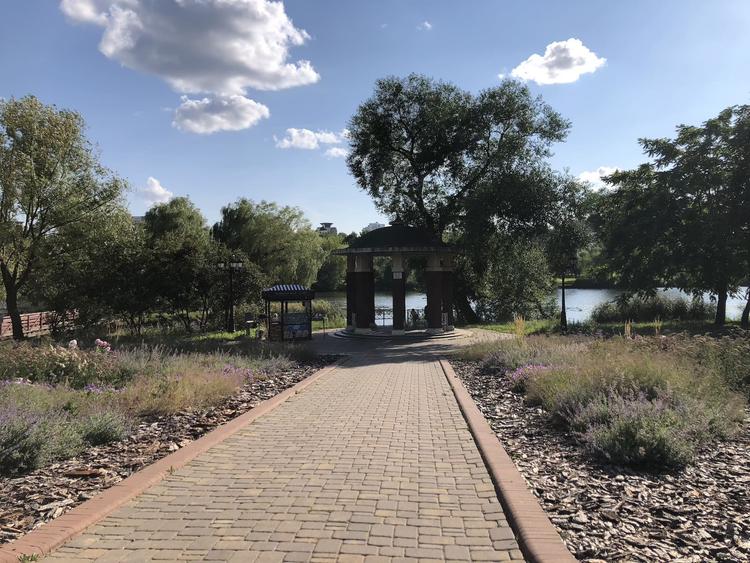
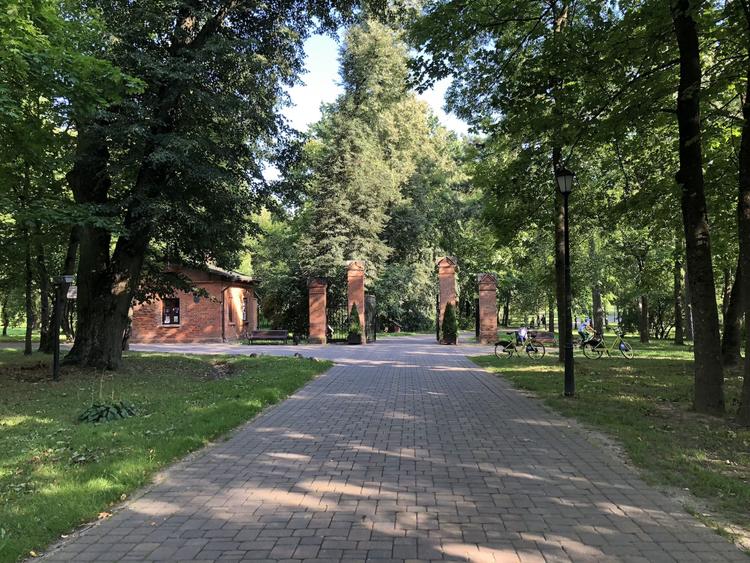
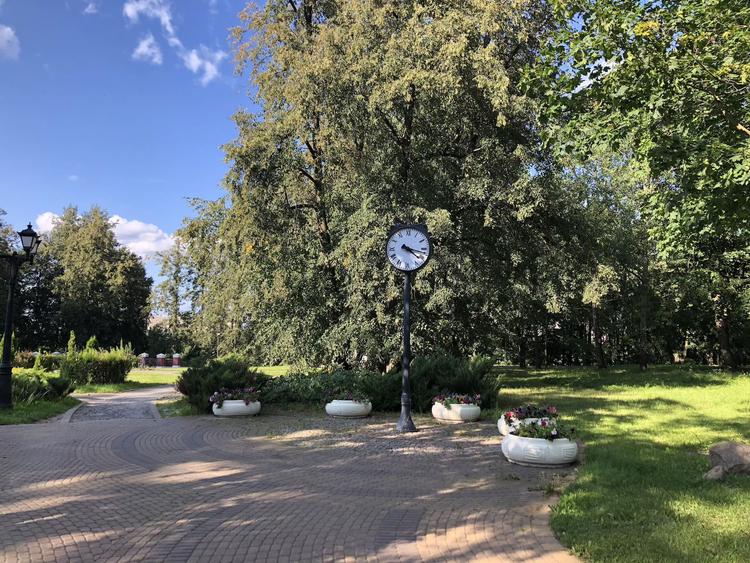
An integral part of Loshitsa Estate is Loshitsa Park — one of the oldest parks in Minsk, known for its diversity of plants and landscape design. The park was laid out in the 18th century, but it took its final form in the 19th century under Eustachy Lubansky. Lubansky invited renowned European gardeners to create the park, and as a result, it incorporated the best elements of English and French landscape gardens. The park covers several dozen hectares, with paths winding through picturesque avenues, shady groves, and flowerbeds. Visitors can see rare species of trees and shrubs, many of which were brought from different parts of the world. Loshitsa Park is not just a place for walks; it is also an important botanical site. It hosts numerous unique plant species, including exotic ones such as tulip trees, magnolias, lindens, and chestnuts. The park is a true oasis of nature within the city limits, and it maintains its uniqueness through careful upkeep.Legends and Mysteries
Loshitsa Estate is surrounded by many mysteries and legends that continue to intrigue its visitors. One of the most famous legends is about the mysterious death of Eustachy Lubansky's wife, Julianna Lubanskaya. According to the legend, Julianna drowned in the waters of the Svisloch under mysterious circumstances, and since then, her ghost occasionally appears on the estate grounds. This story attracts not only lovers of mysticism but also those interested in historical mysteries. Moreover, there are local rumors that treasures belonging to former owners are hidden within the estate's walls. According to these tales, the estate’s underground chambers may contain jewels and artifacts left behind during one of the numerous ownership changes.Loshitsa Estate Today
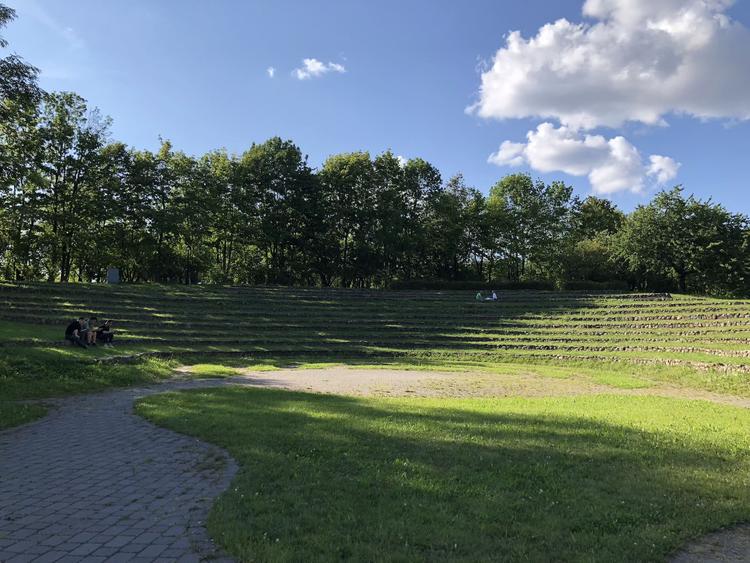
Today, Loshitsa Estate is a popular tourist destination and cultural center in Minsk. The restored buildings house museum exhibitions dedicated to the history of the estate and its owners, as well as temporary exhibitions on various topics. Additionally, concerts, theatrical performances, and other cultural events are held here. The park and estate are open to visitors year-round, and there is something for everyone to enjoy, be it historical tours, walks along picturesque avenues, or participation in cultural events. Loshitsa Estate is a place where the past and present intertwine, creating a unique atmosphere. For those seeking solitude and tranquility, Loshitsa Park offers a chance to escape the hustle and bustle of the city and enjoy nature. History buffs can delve deeper into Minsk's past and learn more about the lives of its famous residents.How to Get There
Loshitsa Estate is easily accessible by public transport, making it a great place to visit for both locals and tourists. You can reach the estate by bus or car, following the signs to Loshitsa Park. Additionally, convenient bike paths lead directly to the park for cyclists. Loshitsa (Estate) is not just an architectural site; it is a living monument to history and culture, reflecting the rich heritage of Belarus and Minsk. By visiting this place, anyone can immerse themselves in the atmosphere of the past, enjoy the natural beauty, and feel the spirit of the times..jpg&w=750&q=75)
Sights Nearby


Latest Articles

Who Is an “Ank” and What Does This Slang Term Mean
A detailed explanation of the slang term “ank,” its origin, traits, cultural meaning, ironic use by zoomers, and its role in modern youth language.
Read more

What Is Tilt: Causes, Signs, and How to Regain Emotional Control
Tilt is a state of emotional overload where rational thinking breaks down and impulsive actions take over, common in games, work, trading, and everyday life.
Read more

Phishing in 2026: Types, Risks, and How to Protect Your Data
Phishing uses AI and fake sites to steal data. Learn types, signs, protection methods, and actions if targeted to stay safe online.
Read more
%20(1).jpg&w=750&q=75)
Cyberbullying: Types, Consequences, and How to Protect Yourself
Cyberbullying is online psychological abuse with serious mental, social, and physical consequences; anyone can be a victim, and prevention requires awareness and action.
Read more

“KFC Boss”: Meaning, Origin, and Why This Slang Term Is Considered Offensive
Explanation of the slang term “KFC Boss,” its meaning, origins, usage online, why it’s offensive, and how people respond to and protect themselves from it.
Read more