

7 min. to read
History of the Lane: From Tsarist Times to the Present Day
Early History and the Origin of the Name
The first mentions of this location date back to the 16th century, when the area was known as Kvasnaya Sloboda. It was home to the residences of Russian nobility and the St. George Convent. In the 17th century, the lane was renamed Spassky, after the Church of the Transfiguration of the Savior. The lane acquired its modern name thanks to the homeowners of the late 18th and early 19th centuries. Chamberlains of the imperial court included V. I. Streshnev, P. P. Beketov, and S. M. Golitsyn, whose mansions were located here. Chamberlain, translated from German, means “court gentleman of the chamber” — these were courtiers especially close to the monarch, who had keys to the sovereign’s private chambers.Post-War Transformation
After the devastating fire of 1812, many buildings, including the St. George Convent, were burned to the ground. The roadway was widened to its current dimensions, and new buildings were erected along it. Architectural monuments preserved from that era include the Streshnev estate and the Chevalier Hotel. During the Soviet period, from 1923 to 1992, the lane was called the Art Theatre Passage. The historical name was restored only in 1992, and since 1998 the street has become fully pedestrian.Architectural Landmarks
Moscow Art Theatre named after Chekhov
The Moscow Art Theatre building is a true gem of the lane, built by the famous architect Fyodor Shekhtel. It is one of the master’s last masterpieces, executed in the neoclassical style. The project perfectly embodied the wishes of the theatre’s founders — Konstantin Stanislavsky and Vladimir Nemirovich-Danchenko. The interiors and interior decoration were also created based on Shekhtel’s designs. The theatre has been operating since the late 19th century and continues to delight audiences with magnificent performances on all its stages — the main, new, and small ones. Nearby are the educational theatre and the Moscow Art Theatre Museum, featuring a unique collection of Russian paintings and theatrical exhibits.House of the Writers’ Cooperative
The seven-story building in the constructivist style became a true Mecca for Soviet literary figures. In the 1930s, more than forty writers and poets lived here, including Mikhail Sholokhov, Yuri Olesha, and Venedikt Yerofeyev. The writers’ residential fund occupied the four upper floors, while offices were located below. Today, the building belongs to the Ilya Glazunov Russian Academy of Painting, Sculpture and Architecture, where future architects are educated.Monuments to Outstanding Cultural Figures
Monument to Stanislavsky and Nemirovich-Danchenko
At the entrance to Kamergersky Lane from Tverskaya Street, a monument to the founders of the Moscow Art Theatre has stood since 2014. Bronze sculptures of the two great directors rise on a pedestal made of Finnish light gray granite. The idea of the monument belonged to Oleg Tabakov, and it was realized by sculptor Alexey Morozov. The monument was produced in Italy.Sculpture of Anton Pavlovich Chekhov
In 1998, to mark the centenary of the Moscow Art Theatre, a monument to A. P. Chekhov appeared near the theatre. The bronze figure of the great playwright, created by Mikhail Anikushin, is placed on a multi-level granite pedestal. The writer is depicted in a characteristically shy pose — exactly as his contemporaries remembered him: a gentle, modest, and intelligent person.Monument to Sergei Prokofiev
The lane also features a monument to the outstanding composer, pianist, and conductor Sergei Prokofiev — one of the most frequently performed composers of the 20th century. The monument was created on the initiative of the Russian Military Historical Society. Nearby, in house No. 6/5, Sergei Sergeyevich Prokofiev lived and worked from 1947 to 1953; today his museum is located there.Famous Residents and Visitors
Kamergersky Lane is associated with the names of many outstanding figures. In the rooms of the Chevalier Hotel, Leo Tolstoy, Alexander Ostrovsky, and Afanasy Fet once stayed. In house No. 5/7, the future Marshal Georgy Zhukov studied the furrier’s craft. The famous writer and thinker Vladimir Odoevsky grew up here, in whose salon all the prominent figures of the Golden Age of Russian culture gathered. In one of the houses on the lane, Alexander Pushkin lost a large sum of money at cards — the debt was so great that it was paid not only during the poet’s lifetime but even after his death. In the artistic café “The Tenth Muse,” Vladimir Mayakovsky, Valery Bryusov, and Sergei Yesenin read their poetry.Modern Life of the Lane
Today, Kamergersky Lane is a popular pedestrian area with a special atmosphere. In the evenings, numerous hanging lanterns create a unique Moscow aura that attracts tourists and photographers. Popular bloggers enjoy filming videos here, and couples arrange romantic dates. Along the lane are restaurants and cafés: “Chekhov,” Frank by Basta, “EZO,” “Predator”, and Varenichnaya No. 1. At the corner with Bolshaya Dmitrovka is the oldest bookstore in Moscow — the House of Pedagogical Books, the largest store of educational literature, which continues to operate to this day. An interesting fact: until the end of the 19th century, buildings displayed the surnames of their owners instead of numbers. Almost all the buildings of Kamergersky Lane are classified as architectural heritage monuments, although behind the elegant facades the reverse side of time is sometimes hidden.How to Get to Kamergersky Lane
The location is in the very center of the capital, within walking distance of several metro stations. From exit 9 of the “Teatralnaya” station and exits 3 and 8 of “Okhotny Ryad,” it is only a two-minute walk. The stations “Chekhovskaya” and “Pushkinskaya” are also nearby. The public transport stop is called “Manezhnaya Square.” Along Okhotny Ryad Street run bus routes E10, E30, M2, M3, M40, M6, M7, and M9. For lovers of night walks around the capital, night routes N1, N2, N11, and N12 are available. Kamergersky Lane is a place where every stone breathes history, where the past organically intertwines with the present, creating the unique atmosphere of theatrical Moscow.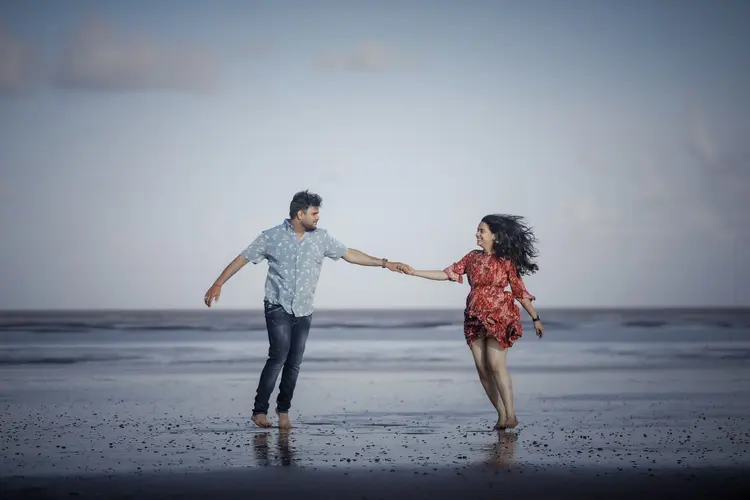
Sights Nearby


.jpg&w=750&q=75)


Latest Articles
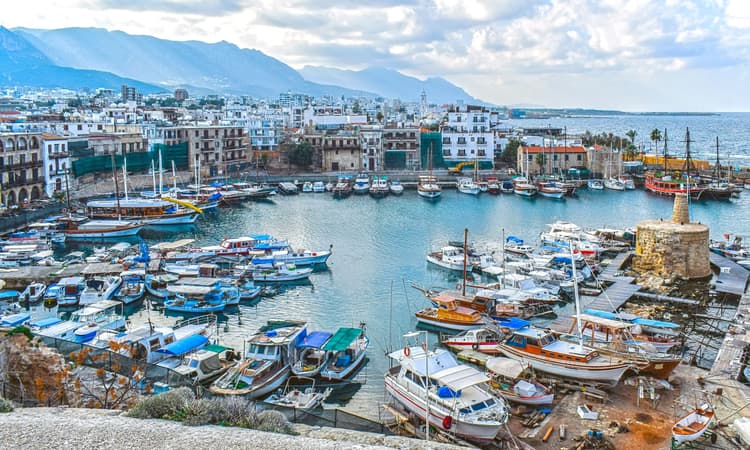
Cyprus: Europe’s Sunniest Destination – 300+ Sunny Days
Explore Cyprus, Europe’s sunniest destination with 300+ sunny days a year. Discover top resorts, best seasons to visit, and why it’s perfect for a holiday.
Read more

Belly Fat and Aging: New Scientific Discoveries
Recent research reveals how belly fat accelerates aging, boosts inflammation, and increases Alzheimer's risk—discover key health insights and prevention tips.
Read more
.jpg&w=750&q=75)
Burning Fat with Your Mind: How “Remembering” Cold Activates Brown Fat and Boosts Metabolism
Discover how recalling cold memories can trigger your brain to activate brown fat, boost metabolism, and aid weight loss—even from the comfort of a warm room.
Read more
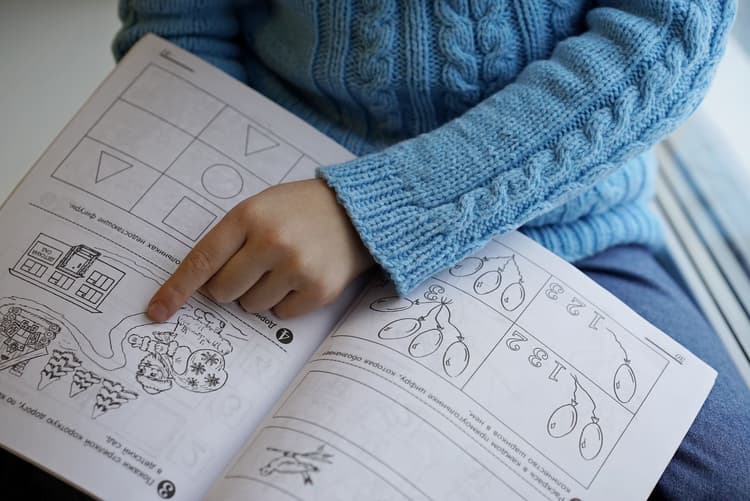
Bridging the Education Gender Gap: Why Boys Fall Behind and How to Close It
Boys globally lag in language skills due to peer influence, stereotypes, and systemic issues—discover causes, impacts, and strategies to close the education gender gap.
Read more

How Intense Evening Workouts Disrupt Sleep, Says Monash University Study
Intense workouts within 4 h of bedtime delay sleep, cut duration, raise resting heart rate, and impair recovery, shows Monash University’s year‑long study.
Read more
Latest News
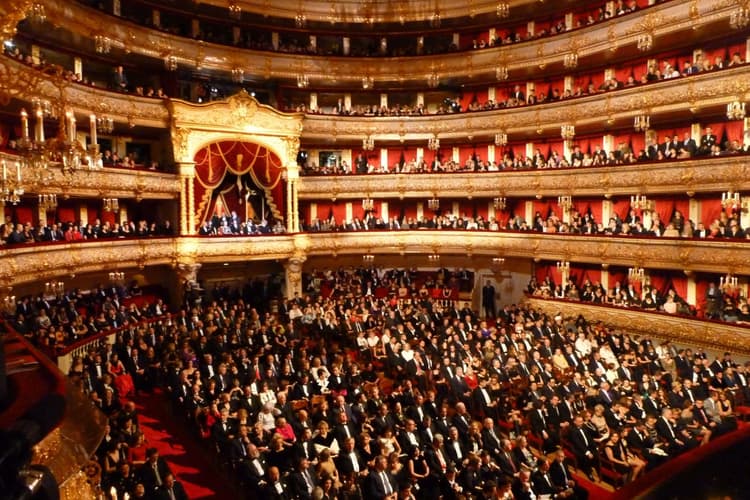
MHT vs MHAT: What’s the Difference Between Moscow’s Two Legendary Art Theatres
MHT and MHAT: what’s the difference between Moscow’s legendary art theatres? History, split of 1987, traditions, repertoires, and key distinctions explained.
Read more
.jpg&w=750&q=75)
Alexander Pushkin: Life, Exile, and Literary Legacy
A concise biography of Alexander Pushkin: childhood, exile, major works, family life, tragic death, and enduring legacy in Russian culture.
Read more
.jpg&w=750&q=75)
VDNKh Ice Rink 2025–2026: Season Opening, Prices, Schedule & Events
VDNKh ice rink opens 25 Nov 2025–1 Mar 2026. >20k m², tickets from 300₽, night sessions & events.
Read more
%20(1).jpg&w=750&q=75)
New Year 2025-2026 at VDNKh: Festive Program, Ice Shows and Skating Rink
VDNKh New Year 2025-26: huge fair, ice shows, theater, kids events & biggest rink. Dec 25-Jan 11, open daily till 23:00. Festive magic for all!
Read more
.jpg&w=750&q=75)
New Year's Moscow: A Magical Winter Fairy Tale 2025–2026
New Year's Moscow: sparkling lights, ice rinks, festive markets & fairy-tale decor on Red Square, Tverskaya, VDNH, GUM. Magical winter wonderland!
Read more