
.jpg&w=640&q=75)
12 min. to read
History of the Creation of the Mytishchi Water Conduit
Prerequisites for Construction
The need for centralized water supply in Moscow became particularly acute in the second half of the 18th century. The Moskva River, which traditionally supplied the city with water, no longer met sanitary requirements due to the intensive development of manufacturing. Wastewater polluted the river, making it unfit for drinking. The critical point was the plague epidemic of 1771, after which providing the capital with high-quality drinking water became a priority.Imperial Decree and the Start of Work
On July 28, 1779, Empress Catherine II signed a historic decree on the construction of Moscow's first centralized water supply system. She entrusted the implementation of the grandiose project to Lieutenant General Fyodor Vilimovich Bauer, an outstanding engineer and hydraulic technician of the time. In the same year, Bauer developed and presented to the Empress a detailed design for the Mytishchi gravity-flow water conduit. In 1780, under the leadership of Fyodor Bauer and military engineer Ivan Gerard, construction began, which stretched over nearly a quarter of a century. The work was completed on October 28, 1804—this date is considered the birthday of the Moscow water supply system and the beginning of centralized water supply in the city.Technical Characteristics and Architectural Features
Engineering Solution
The Mytishchi water conduit was a unique engineering structure for its time, with a length of 26 kilometers. Its main feature was the gravity-flow system—water flowed solely due to the natural difference in elevation, without any mechanical intervention. The designed capacity was 3,500 cubic meters of water per day.Water Source and Operating Principle
The source of clean water was underground springs in the upper reaches of the Yauza River, located near the village of Bolshiye Mytishchi. The system worked as follows:- Water from the Mytishchi springs was collected in special brick basins
- It then entered an underground gravity-flow gallery-conduit
- It crossed the Yauza River via a brick trough located in the upper part of the aqueduct
- The trough was lined with lead for tightness
- Further, the water was directed to Samotychnaya and Trubnaya Squares
Architecture of the Rostokinsky Aqueduct
The Rostokinsky Aqueduct is a majestic twelve-arched white-stone bridge over the Yauza River. Its technical parameters are impressive:- Length of the structure: 356 meters
- Height of the piers: up to 15 meters
- Width of the water conduit channel: 0.9 meters
- Height of the channel: 1.2 meters
Modernization and Development of the Water Conduit
19th-Century Reconstruction
As Moscow grew, an increase in the water conduit's capacity was required. By 1830, the first large-scale modernization was carried out:- The brick conduit was replaced with cast iron
- The gravity-flow system was converted to a pressure system
- A pumping station was built in the village of Alekseyevskoye
Late 19th-Century Modernization
In 1880–1892, engineer Nikolay Petrovich Zimin carried out a large-scale reconstruction of the conduit. The result was an impressive increase in the capacity of the Mytishchi water conduit to 43 thousand cubic meters per day. Of the five aqueducts that were part of the Mytishchi water conduit system, only the Rostokinsky has survived to this day, making it an invaluable historical monument.Origin of the Names and Legends
Why “Rostokinsky”?
The name “Rostokinsky Aqueduct” comes from the ancient village of Rostokino. The toponym means “bifurcation into two streams”—the settlement was located on both banks of the Yauza and on the right bank of the Goryachka stream, which flowed into the Yauza at this point.Legend of the “Millionny Bridge”
The popular nickname “Millionny Bridge” was given to the aqueduct due to the huge costs of building the entire water supply system—1 million 648 thousand rubles. For those times, this was an astronomical sum, causing surprise and admiration among contemporaries.Soviet Period and Threats of Destruction
For a century and a half, the Mytishchi water conduit faithfully performed its function but gradually gave way to modern water supply systems. In Soviet times, a heating main was laid along the aqueduct, and accidents on it contributed to the destruction of the historical structure. In the 1990s–2000s, the architectural monument attracted the attention of climbers and graffiti artists. Cracks and drawings appeared on the white-stone walls, roots of overgrown plants destroyed the surface of the structure, threatening the existence of the unique monument.Modern Restoration and New Life of the Monument
Restoration Work of 2007–2008
In 2007–2008, a major overhaul of the site was carried out. Restorers not only restored the historical architecture but also adapted the structure for tourist visits:- Safe railings were installed
- An observation gallery with weather protection was created
- A pedestrian zone was organized
- A demonstration trough with a transparent cover was arranged to visualize the operation of the old water conduit
Status as a Cultural Heritage Site
The Rostokinsky Aqueduct is recognized as a federal cultural heritage site of Russia. Built under Catherine II and preserving its original design since 1804, it is a unique monument to the engineering thought of the Russian Empire. The image of the aqueduct adorns the coats of arms of the North-Eastern Administrative District of Moscow and the Rostokino district.How to Get to the Rostokinsky Aqueduct
Address and Transport Accessibility
Address: Moscow, Prospekt Mira, 186–188 Nearest metro station: VDNKhRoutes from the Metro
- First option: From the VDNKh metro station, exit toward the Kosmos Hotel, walk along Prospekt Kosmonavtov to the intersection with Yaroslavskaya Street, turn left and follow Yaroslavskaya Street to the aqueduct
- Second option: Walk along Prospekt Mira to the intersection with the Yauza River
“Rostokinsky Aqueduct” Park — a Modern Recreation Space
Park Infrastructure and Attractions
The area around the aqueduct has been transformed into a well-maintained park, becoming a popular recreation spot for Muscovites. Here you can find:- Monument to the Moscow Janitor — a three-meter iron sculpture dedicated to Viktor Kollegin
- Monument to the Heroes of the 13th Rostokino People's Militia Division — a memorial to the defenders of Moscow in 1941
- Stele for the 400th Anniversary of Moscow's Liberation — a monument to the events of 1612 with bronze bas-reliefs
- Commemorative stone marking the 200th anniversary of the Moscow water supply
- Chapel commemorating the 400th anniversary of Moscow's liberation by the militia of Minin and Pozharsky
Religious Structures
The park features two churches:- Wooden Church of the Icon of the Mother of God “Inexhaustible Chalice” — a cozy church with characteristic wooden architecture
- Stone Church of Cyril and Methodius — a majestic structure attracting believers and architecture enthusiasts
Entertainment and Active Recreation
The park offers a variety of recreation opportunities:- Well-maintained Yauza embankment with picturesque river views
- “Yauza” sports complex for physical activities
- Large children's playground with play structures and attractions
- “Tree of Life” — a decorative structure with a “lovers' bench” where newlyweds hang padlocks
- “Insta-frame” for creative photo sessions
Winter Entertainment
In the cold season, the park transforms:- Free ice rink with warm changing rooms and lockers
- Tubing hill for sliding on tubes with a rental point
- Alley of leaning fir trees with illumination and huge stars
- “Polar Bears” — giant glowing figures
Panoramic Views and Surroundings
What Can Be Seen from the Aqueduct
From the pedestrian gallery of the aqueduct and the adjacent park, breathtaking views open up:- To the southwest: the house of architect Zholtovsky, the famous sculpture “Worker and Kolkhoz Woman,” Ostankino TV Tower, the Ferris wheel, and the VDNKh pavilions
- In the other direction: tree-covered picturesque banks of the Yauza, transitioning into the thicket of Losiny Ostrov
- Nearby: two 58-story skyscrapers with bright multicolored floors
Interesting Facts about the Rostokinsky Aqueduct
- The aqueduct consists of 21 arches (according to some sources—12), with a total length of almost 300 meters
- The width of each arch is 4 sazhens (approximately 8.5 meters)
- The structure is built from white limestone
- In the 18th century, it was the largest stone bridge in the Russian Empire
- The name of the village Rostokino comes from “bifurcation into two streams”
- Empress Catherine II personally inspected the construction
- The water conduit operated solely by gravity without pumps
- The endpoints of the water conduit were two fountains on Neglinnaya Street
Practical Information for Visitors
Opening Hours
The Rostokinsky Aqueduct is open to visitors on weekends and holidays from 11:00 to 19:00.What to See Nearby
After visiting the aqueduct, you can:- Visit the museum under the “Worker and Kolkhoz Woman” sculpture
- Ride the monorail
- Stroll through the VDNKh territory
- Walk along the parks and squares on the Yauza banks
- Visit Losiny Ostrov—one of Moscow's largest forest parks
Recommendations for Photographers
The best views of the aqueduct open from:- The west and northwest from Prospekt Mira
- The Yauza riverbank
- The 2nd Rostokinsky Bridge
- The “Aqueduct” park
Conclusion: A Symbol of Engineering Genius and Historical Memory
The Rostokinsky Aqueduct is not just an architectural monument but a living testament to the engineering genius of the Enlightenment era. Built by decree of Catherine II and serving Moscow for a century and a half, it remains an important part of the city's landscape and Russia's cultural heritage. Today, the Millionny Bridge continues to amaze visitors with its monumentality and elegance, offering a unique opportunity to touch the history of Russian engineering thought. A walk along the aqueduct and the surrounding park is a journey through time, connecting the grandeur of the past with the comfort of the present. Visiting the Rostokinsky Aqueduct allows one not only to enjoy the beauty of historical architecture but also to understand the scale of 18th-century engineering achievements, when structures were created without modern technology that still serve more than two centuries later.
Sights Nearby
.jpg&w=750&q=75)


.jpg&w=750&q=75)

.jpg&w=750&q=75)


Latest Articles
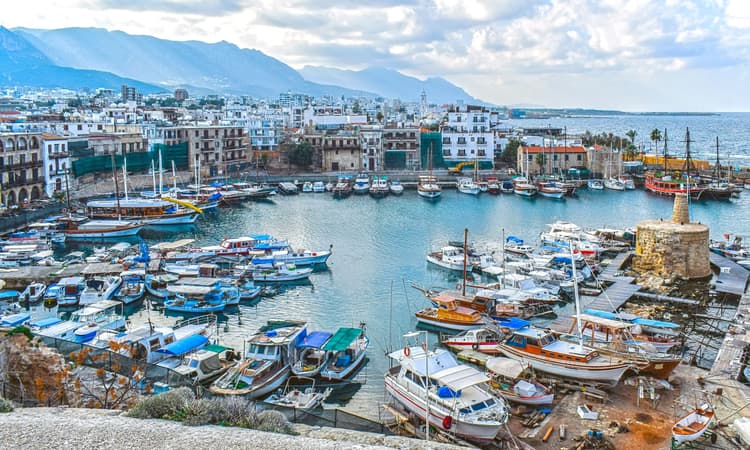
Cyprus: Europe’s Sunniest Destination – 300+ Sunny Days
Explore Cyprus, Europe’s sunniest destination with 300+ sunny days a year. Discover top resorts, best seasons to visit, and why it’s perfect for a holiday.
Read more

Belly Fat and Aging: New Scientific Discoveries
Recent research reveals how belly fat accelerates aging, boosts inflammation, and increases Alzheimer's risk—discover key health insights and prevention tips.
Read more
.jpg&w=750&q=75)
Burning Fat with Your Mind: How “Remembering” Cold Activates Brown Fat and Boosts Metabolism
Discover how recalling cold memories can trigger your brain to activate brown fat, boost metabolism, and aid weight loss—even from the comfort of a warm room.
Read more
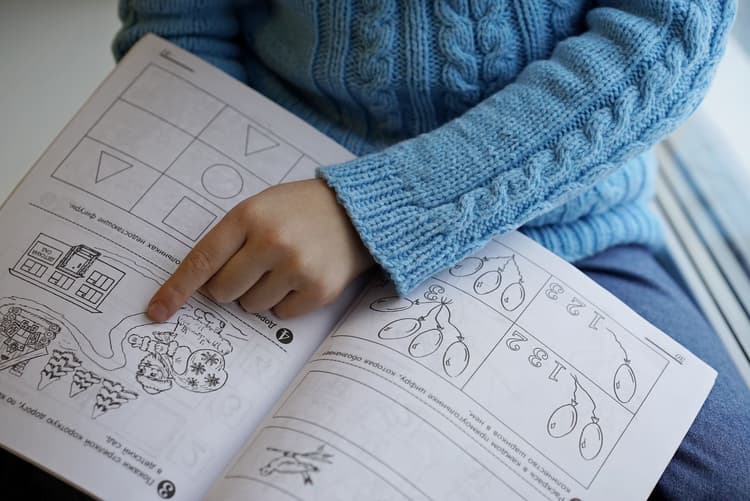
Bridging the Education Gender Gap: Why Boys Fall Behind and How to Close It
Boys globally lag in language skills due to peer influence, stereotypes, and systemic issues—discover causes, impacts, and strategies to close the education gender gap.
Read more

How Intense Evening Workouts Disrupt Sleep, Says Monash University Study
Intense workouts within 4 h of bedtime delay sleep, cut duration, raise resting heart rate, and impair recovery, shows Monash University’s year‑long study.
Read more
Latest News
.jpg&w=750&q=75)
VDNKh Ice Rink 2025–2026: Season Opening, Prices, Schedule & Events
VDNKh ice rink opens 25 Nov 2025–1 Mar 2026. >20k m², tickets from 300₽, night sessions & events.
Read more
%20(1).jpg&w=750&q=75)
New Year 2025-2026 at VDNKh: Festive Program, Ice Shows and Skating Rink
VDNKh New Year 2025-26: huge fair, ice shows, theater, kids events & biggest rink. Dec 25-Jan 11, open daily till 23:00. Festive magic for all!
Read more
.jpg&w=750&q=75)
New Year's Moscow: A Magical Winter Fairy Tale 2025–2026
New Year's Moscow: sparkling lights, ice rinks, festive markets & fairy-tale decor on Red Square, Tverskaya, VDNH, GUM. Magical winter wonderland!
Read more
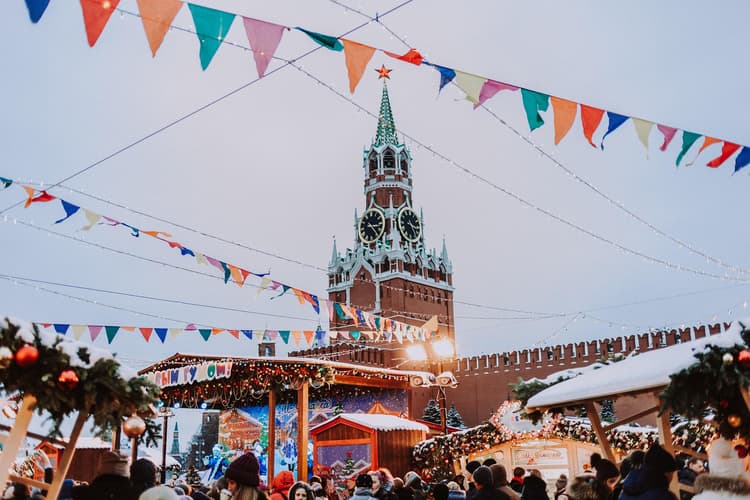
New Year’s Eve 2026 on Red Square: Access, Tickets, and Festivities
New Year’s Eve on Red Square: ticketed entry only, festive rink, market, events, decorations, and free city transport all night.
Read more
.jpg&w=750&q=75)
GUM Skating Rink on Red Square Opens 20th Anniversary Season
GUM Skating Rink on Red Square opened Dec 1 for its 20th season (until Mar 1, 2026). Dymkovo toy design, free weekdays till 14:30, stars at opening.
Read more