

8 min. to read
History of the Estate Complex
The Bratsevo Estate has a rich history dating back to the 17th century. Over several centuries, ownership of the estate passed among representatives of the most noble Russian families, each contributing to the development of this place.Owners of Different Eras
From the 17th century, the estate was owned by members of renowned dynasties. At various times, the owners of Bratsevo included members of the Romanov, Zubov, Khitrovo, Naryshkin families and other noble clans. In 1780, the estate was acquired by Count Alexander Stroganov, who transferred it to his wife Ekaterina Trubetskaya as a settlement. Ekaterina Trubetskaya lived in the estate with Adjutant General Ivan Rimsky-Korsakov, a former favorite of Empress Catherine II. After Trubetskaya's death, he inherited the estate. Under Rimsky-Korsakov, a stone mansion replaced the old wooden structure, and a landscape park with pavilions and a cascade of ponds was laid out.The Shcherbatov Era
From 1828, the estate passed among Rimsky-Korsakov's heirs. In the late 19th century, it was owned by Nikolai Shcherbatov, director of the State Historical Museum. Under him, the estate was enriched with new structures:- A water tower in pseudo-Gothic style
- A residential wing with thoughtful layout
- Carriage houses for vehicles
- An updated Church of the Intercession of the Holy Virgin
Soviet Period and Modernity
After the 1917 Revolution, the exterior appearance of the estate remained largely intact, though all valuables were removed. Nikolai Shcherbatov personally handed over the property to the Soviet authorities. The main house successively housed:- A nursery and elementary school
- A museum of noble life
- A rest home for workers
- A botanical station
- A sanatorium
Architectural Features
Project Authorship
The architect of the estate is presumed to be Andrei Voronikhin, a former serf of the Stroganov family who became one of the outstanding masters of Russian classicism. Several factors support this version:- The round hall of the main house resembles the Mineral Cabinet of the Stroganov Palace in St. Petersburg
- The architectural solution is similar to the palace in Pavlovsk, where Voronikhin also worked
- Characteristic compositional techniques typical of the architect's style
Main House
The two-story building in Palladian style majestically rises on a hill. Its architectural features include:- A central plan with four entrances along the main axes
- Two ceremonial entrances with four-column Ionic porticos
- Balustrades on balconies above the porticos
- Semicircular windows in the Empire style
- Side entrances in semicircular exedrae with columns and herms
- A belvedere with a colonnade on the roof
- An open terrace with balustrades and decorative vases
Park Structures
Bratsevo is a harmonious architectural and park ensemble created in a single period. Particular attention deserves the rotunda on ten Ionic columns, topped with a dome. It once housed a statue of Cupid. In terms of elegance of execution, this pavilion is considered one of the best in the Moscow region.Lost Interior Decoration
Unfortunately, the elements of the interior decoration of the main building and the residential wing have almost not survived. After the revolution, part of the valuables was taken to the New Jerusalem Monastery, where many perished during the Battle of Moscow. According to contemporaries, during the reconstruction period, the following disappeared from the main house:- An oak bed on curved legs from the master's bedroom
- An antique English sideboard from the dining room
- An old mirror in a bronze frame from the hallway
- Other antique furniture and decorative items
The Estate in Culture
Since the 1980s, Bratsevo has repeatedly served as a filming location. Scenes were shot here for:- Eldar Ryazanov's tragicomedy "A Word for the Poor Hussar"
- Alexei Sakharov's film "The Young Lady-Peasant"
- TV series "Glukhar", "Poor Nastya", "Ivanov"
Modern Use
Today, the Bratsevo Estate has the status of a cultural heritage site of Russia. Buildings suitable for use have been leased to private individuals:- The main house houses the "Stroganovs' Estate" hotel with banquet halls
- A kindergarten and an anti-cafe operate
- Restaurants function in the Residential Wing and the Northern Wing
The Estate for Newlyweds
Bratsevo is one of the most popular places for wedding ceremonies in Moscow. This is due to several factors:- Magnificent classical architecture creates a solemn atmosphere
- The picturesque park with centuries-old trees is ideal for photo sessions
- Stunning views open from the estate's windows
- A secluded atmosphere within the city limits
- Convenient location near the metro, inside the MKAD ring road
Practical Information for Visitors
How to Get There
The estate is located at: Svetlogorsky Proezd, 13. The nearest metro station is "Skhodnenskaya" on the Tagansko-Krasnopresnenskaya line. From the metro, you can:- Walk in 25-30 minutes
- Take bus No. 43 to the "Svetlogorsky Proezd" stop
- Use buses No. 88, 488, 777, 896
Visiting Hours
Bratsevo Park is open for visits around the clock. Walking on the grounds is free. Guided tours of the estate building are not conducted, but you can find an individual guide to tell about the history of the place. Information about visiting the banquet halls should be checked by calling the hotel.Significance of the Bratsevo Estate
The estate is an example of a modest yet refined noble manor of the classicism era. The landscape park organically combines with a fruit orchard, and the ensemble of the central core includes outbuildings, creating a harmonious unity of architecture and nature. Bratsevo is a place where history comes alive among majestic columns and ancient alleys. Every element here speaks of the uniqueness of this corner of Moscow: the picturesque park with fluffy squirrels, magnificent halls with stunning views, an atmosphere of tranquility in the heart of the metropolis. The estate continues to attract researchers, romantics, and everyone who appreciates the beauty of Russian classicism and seeks to touch history.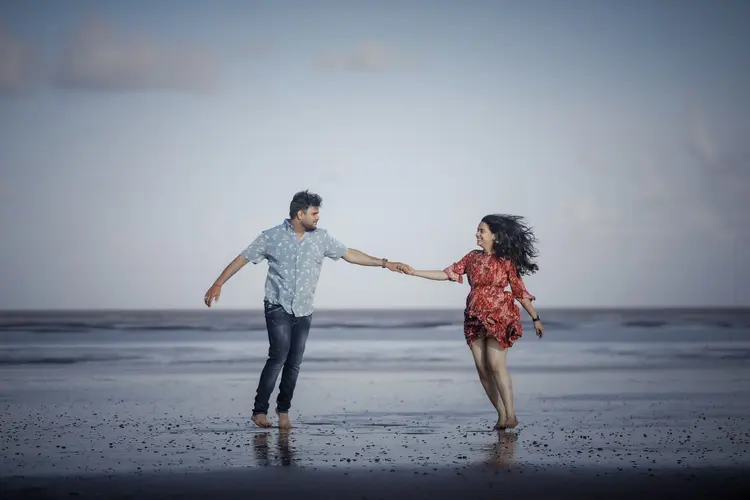

.jpg&w=750&q=75)
.jpg&w=750&q=75)
Latest Articles
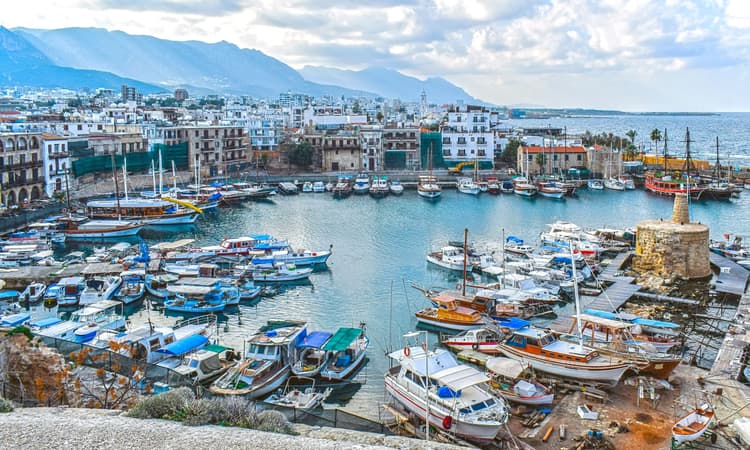
Cyprus: Europe’s Sunniest Destination – 300+ Sunny Days
Explore Cyprus, Europe’s sunniest destination with 300+ sunny days a year. Discover top resorts, best seasons to visit, and why it’s perfect for a holiday.
Read more

Belly Fat and Aging: New Scientific Discoveries
Recent research reveals how belly fat accelerates aging, boosts inflammation, and increases Alzheimer's risk—discover key health insights and prevention tips.
Read more
.jpg&w=750&q=75)
Burning Fat with Your Mind: How “Remembering” Cold Activates Brown Fat and Boosts Metabolism
Discover how recalling cold memories can trigger your brain to activate brown fat, boost metabolism, and aid weight loss—even from the comfort of a warm room.
Read more
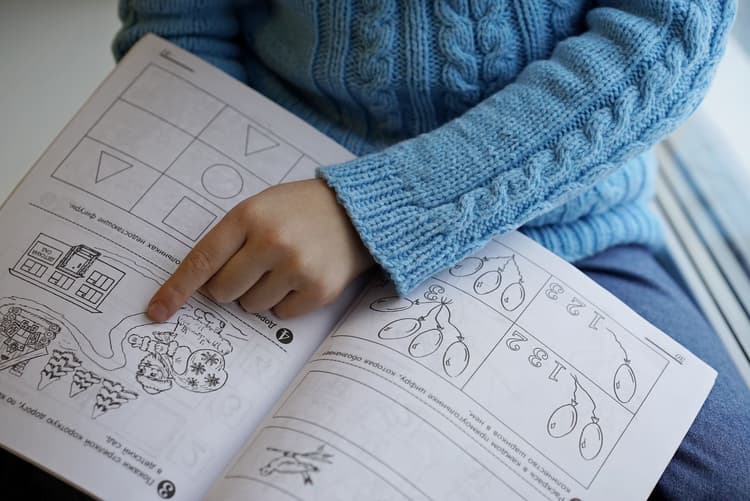
Bridging the Education Gender Gap: Why Boys Fall Behind and How to Close It
Boys globally lag in language skills due to peer influence, stereotypes, and systemic issues—discover causes, impacts, and strategies to close the education gender gap.
Read more

How Intense Evening Workouts Disrupt Sleep, Says Monash University Study
Intense workouts within 4 h of bedtime delay sleep, cut duration, raise resting heart rate, and impair recovery, shows Monash University’s year‑long study.
Read more
Latest News
.jpg&w=750&q=75)
VDNKh Ice Rink 2025–2026: Season Opening, Prices, Schedule & Events
VDNKh ice rink opens 25 Nov 2025–1 Mar 2026. >20k m², tickets from 300₽, night sessions & events.
Read more
%20(1).jpg&w=750&q=75)
New Year 2025-2026 at VDNKh: Festive Program, Ice Shows and Skating Rink
VDNKh New Year 2025-26: huge fair, ice shows, theater, kids events & biggest rink. Dec 25-Jan 11, open daily till 23:00. Festive magic for all!
Read more
.jpg&w=750&q=75)
New Year's Moscow: A Magical Winter Fairy Tale 2025–2026
New Year's Moscow: sparkling lights, ice rinks, festive markets & fairy-tale decor on Red Square, Tverskaya, VDNH, GUM. Magical winter wonderland!
Read more
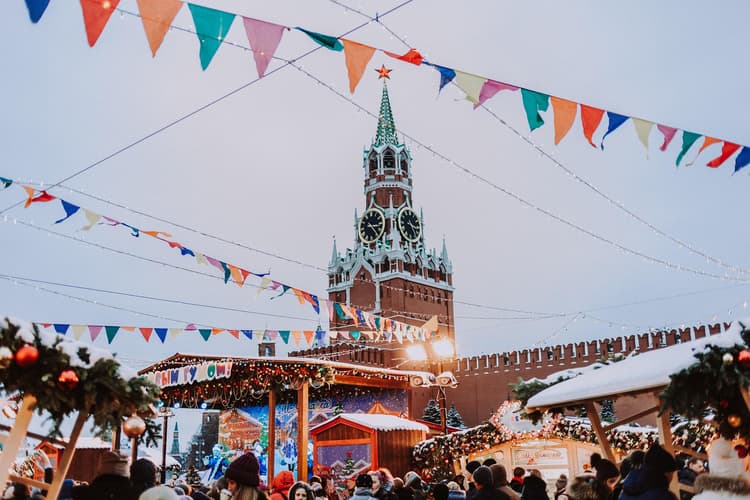
New Year’s Eve 2026 on Red Square: Access, Tickets, and Festivities
New Year’s Eve on Red Square: ticketed entry only, festive rink, market, events, decorations, and free city transport all night.
Read more
.jpg&w=750&q=75)
GUM Skating Rink on Red Square Opens 20th Anniversary Season
GUM Skating Rink on Red Square opened Dec 1 for its 20th season (until Mar 1, 2026). Dymkovo toy design, free weekdays till 14:30, stars at opening.
Read more