

6 min. to read
History of the Construction of the White House
The construction of the building took place from 1965 to 1981 under the supervision of prominent Soviet architects Dmitry Chechulin and Pavel Shteller. Interestingly, the project was based on Chechulin’s earlier designs for the unrealized Aeroflot Building. Initially, the structure was intended to house the Supreme Soviet of the RSFSR, the Council of Ministers of the RSFSR, and the People’s Control Committee. The cost of construction exceeded 94 million rubles, which was a significant amount at the time. Upon completion of the project, the chief architects Dmitry Chechulin and Vitaly Mazurin, as well as structural engineer Yuri Dykhovichny, were awarded the prestigious Lenin Prize for their outstanding contribution to Soviet architecture.Architectural Features of the Building
The House of the Government is a complex three-tier structure designed in a modern architectural style with elements of avant-garde. The building is symmetrical in composition and includes the following parts: - The base, or pedestal, is clad in granite and equipped with a ceremonial staircase facing the Moscow River, creating a grand approach to the building. - The first tier forms a monumental seven-story stylobate with side wings, which houses the main hall of the House of the Government. - The second tier is an impressive 20-story tower, the top floor of which is technical. The façade of the building is clad in white marble, which gave it the unofficial name “White House,” by analogy with the residence of the President of the United States. The structure is crowned by a tower with a gilded bronze coat of arms of Russia — the double-headed eagle — and a flagpole. Before the tragic events of 1993, a clock was located there; it stopped during the shelling and was never restored.Underground Infrastructure
The building extends three levels underground, housing a parking area, a bunker, and modern ventilation and refrigeration systems. According to unconfirmed reports, the White House has an underground shelter with access to a secret metro line.Interior Layout and Facilities
Inside the complex there are 27 halls with refined, luxurious interiors and numerous offices for government officials. All three blocks are equipped with modern audio and video systems; air conditioning is installed throughout, and the interiors feature high-quality finishes using expensive materials, luxurious furniture, chandeliers, and stained glass. A separate office is provided for the President of Russia. During Cabinet meetings, journalists receive information online and can promptly transmit it to their editorial offices. Guest entry is organized through three security checkpoints on the park side, while a separate entrance opposite the helipad is reserved for officials.The White House in Critical Moments of History
The Events of August 1991
During the August 1991 coup attempt, the building became a center of resistance to the State Committee on the State of Emergency. The House of the Government turned into the headquarters of Boris Yeltsin’s supporters, who organized mass protests near the building. Protesters erected barricades literally from improvised materials, and the walls of the structure were covered with protest slogans. At peak moments, the number of demonstrators reached about 200,000 people.The Tragedy of October 1993
The most dramatic events occurred in October 1993 during the political conflict between the president and the Supreme Soviet. The General Staff of the Russian Armed Forces decided to storm the building. The Tamanskaya Tank Division, consisting of six tanks positioned on the Novoarbatsky Bridge, fired 12 shots at the upper floors of the House of the Government. The shelling triggered a massive fire that destroyed one-third of the building’s area — floors 12 through 20 were completely burned out. The estimated damage amounted to 170 billion rubles. The clock on the tower stopped at the moment of the first tank salvo and was later dismantled, with the state coat of arms installed in its place.Restoration and the Present Day
The reconstruction of the building was completed in 1994 by decree of Boris Yeltsin, who transferred the structure to the jurisdiction of the Council of Ministers. A foreign contractor was invited to restore the White House, and the restoration cost more than the original construction. The work took almost an entire year. For security reasons, after reconstruction the House of the Government was surrounded by a high metal fence. Today, the building continues to function as a key center of state power in Russia, where Government meetings are held and major decisions for the country are made.Practical Information for Visitors
Address: Krasnopresnenskaya Embankment, Building 2 Nearest metro stations: “Barrikadnaya,” “Krasnopresnenskaya” Coordinates: 55.754806, 37.57363 The best views of the White House open from the Taras Shevchenko Embankment and the Novoarbatsky Bridge. The building looks especially impressive in evening illumination. Tourists can see the House of the Government during river cruises along the Moscow River or as part of walking tours through the historical center of the capital. The White House remains not only a functioning administrative building, but also an important historical monument and a witness to pivotal moments in Russia’s recent history, making it one of the calling cards of modern Moscow..jpg&w=750&q=75)
Sights Nearby
.jpg&w=750&q=75)
.jpg&w=750&q=75)
.jpg&w=750&q=75)
%20(1).jpg&w=750&q=75)

.jpeg&w=750&q=75)
.jpg&w=750&q=75)

.jpg&w=750&q=75)
.jpg&w=750&q=75)


Latest Articles
.jpg&w=750&q=75)
Solstice and Equinox: How Astronomical Events Shape the Seasons
An overview of solstices and equinoxes, explaining their astronomical causes, seasonal roles, differences between hemispheres, and cultural significance worldwide.
Read more

Setting Appropriateness & Romantic Success: New Study Insights
Discover how the perceived appropriateness of a setting drives the success of romantic advances—often outweighing factors like attractiveness or familiarity.
Read more
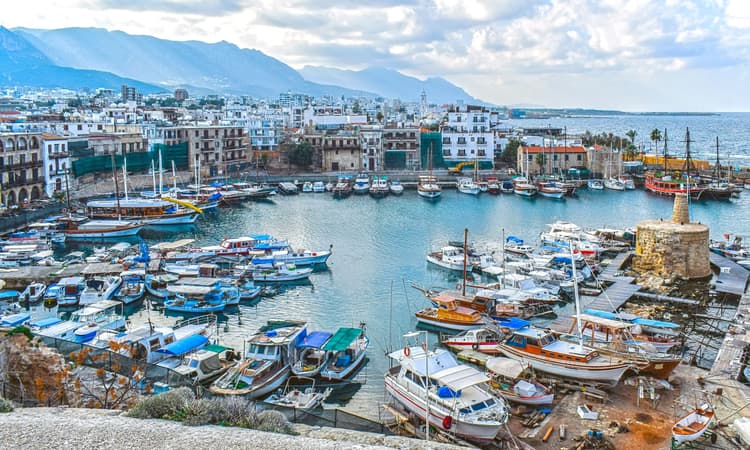
Cyprus: Europe’s Sunniest Destination – 300+ Sunny Days
Explore Cyprus, Europe’s sunniest destination with 300+ sunny days a year. Discover top resorts, best seasons to visit, and why it’s perfect for a holiday.
Read more

Belly Fat and Aging: New Scientific Discoveries
Recent research reveals how belly fat accelerates aging, boosts inflammation, and increases Alzheimer's risk—discover key health insights and prevention tips.
Read more
.jpg&w=750&q=75)
Burning Fat with Your Mind: How “Remembering” Cold Activates Brown Fat and Boosts Metabolism
Discover how recalling cold memories can trigger your brain to activate brown fat, boost metabolism, and aid weight loss—even from the comfort of a warm room.
Read more
Latest News
.jpg&w=750&q=75)
Who Wrote the Russian National Anthem: Authors and History
Who wrote the Russian national anthem: composer Alexander Alexandrov and poet Sergey Mikhalkov, the history of the melody, lyrics, and their role as state symbols.
Read more
.jpg&w=750&q=75)
State Flag of Russia: Design, History, Symbolism, and Rules of Use
Overview of the Russian tricolor: its appearance, history, symbolism of colors, rules of use, and the significance of State Flag Day in Russia.
Read more
.jpg&w=750&q=75)
Differences Between Catholicism and Orthodoxy
A clear overview of the key historical, doctrinal, and ritual differences and common ground between Catholicism and Orthodoxy.
Read more
.jpg&w=750&q=75)
Will There Be New Year’s Fireworks in Moscow in 2026?
New Year’s fireworks in Moscow 2026: history of the tradition, why official salutes were canceled, public opinion, regional bans, and new celebration formats.
Read more
.jpg&w=750&q=75)
The Old New Year: History, Traditions, and Celebration Dates
The Old New Year is a traditional celebration on January 13–14, rooted in the calendar change, with rich history, folk customs, and modern festive traditions.
Read more