
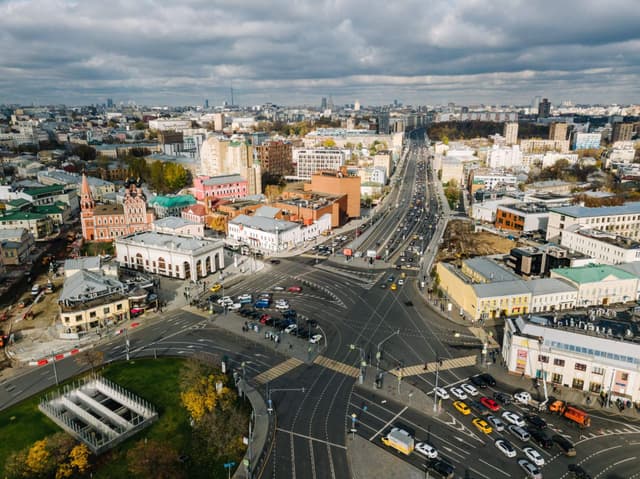
10 min. to read
Origin of the District’s Name
The Tripod “Tagan” Version
The most widespread version links the name of the district to the Tagannaya Sloboda, which existed here from the 16th century. The word “tagan” came from Turkic languages and refers to an iron tripod with a hook, used as a stand for a cauldron when cooking over an open fire. Local blacksmiths produced these devices for the Moscow army and for merchants. Tagans were indispensable during military campaigns and long journeys across undeveloped lands. The manufacture of these items became the main occupation of the settlement’s residents, which determined its name. Over time, the name spread to the entire surrounding area.Alternative Toponymic Version
Geography professor Eduard Murzaev proposed a different interpretation of the name. According to him, the word “tagan” in Turkic languages can also mean “hill” or “mountain”. Taganskaya Street is indeed located on elevated ground, which could have influenced the choice of the toponym. This version is less popular but still has the right to exist.History of Taganka’s Development
Craft Period of the 16th–17th Centuries
The formation of the district began in the 16th century, when the first craft settlements appeared here. Thanks to its advantageous geographical position, Taganka became a crossroads of ancient trade routes leading from the eastern regions of Russia. Various goods were transported to Moscow along these roads. The district housed the Goncharnaya, Kotel’naya, and Tagannaya Slobodas, whose residents were engaged in the production of pottery, metal goods, and weapons. In 1380, Prince Dmitry Donskoy led his troops along the local road to the Kulikovo Field. The center of the Tagannaya Sloboda became the Church of St. Nicholas the Wonderworker in Bolvanovka, built at the end of the 17th century.Merchant Era of the 18th–19th Centuries
After the construction of the Earthen Rampart at the end of the 16th century, gates appeared in Taganka, becoming the only passage into Zayauzye. Entry into the capital was subject to a duty, and trade from carts was prohibited within the city. Beyond the Tagansky Gates, a huge supply market emerged, attracting merchants and buyers from all over Moscow. In the 18th century, the area was mainly settled by merchants and townspeople. Craft production gradually gave way to trade. Taganskaya Square turned into a major trading center, second in importance only to the German and Smolensk markets. Meat, fish, and flour shops offered products for every taste. In the 19th century, influential merchant dynasties of the Morozovs and the Khludovs settled in Taganka. They made a significant contribution to the industrial and cultural development of the district. After the fire of 1812, the area began to be built up with stone buildings, which changed its appearance.Industrial Development of the Late 19th Century
From the late 19th century, Taganka became an industrial district. Factories and plants were built on its territory, while jewelry production also developed. In 1853, Pavel Ovchinnikov opened a jewelry factory here, and in 1871 Ivan Khlebnikov joined him. Their products were supplied to the imperial court and exported abroad. The district is the birthplace of Konstantin Stanislavsky, the great theater director and reformer. The house on Solzhenitsyn Street where he was born and grew up is now a memorial site preserving memories of his creative path.Soviet Period of the 20th Century
After the 1917 Revolution, the authorities attempted to rename the district in an effort to get rid of historical names. The square became October Square, and the district was renamed Proletarsky. However, these names did not take root, and Taganka retained its traditional name. In the 1930s, the district underwent large-scale redevelopment. The first Soviet residential building appeared here, becoming a symbol of a new era. Many old buildings were demolished or rebuilt, partially altering the historical appearance of the area.Architectural Landmarks
Churches and Monasteries
The spiritual center of the historic Tagannaya Sloboda is the Church of St. Nicholas the Wonderworker in Bolvanovka, erected in the late 17th–early 18th centuries. This monument of Moscow Baroque has retained its historical value despite numerous reconstructions. The church continues to function and attracts both worshippers and tourists. One of the most beautiful Moscow churches is considered to be the Church of St. Martin the Confessor. In the 17th century, monasteries were built in Taganka that served as spiritual and defensive centers. Among them stand out the Krutitsy Metochion, the Novospassky Monastery, and the Andronikov Monastery, which played an important role in defending the eastern borders of the capital.Civil Architecture
A rare example of 18th-century civil architecture is the Chambers of Fyodor Ptitsyn. These buildings are associated with the name of a merchant who made a significant contribution to the development of the district. The Goncharov–Filippov city estate is also of interest, showcasing examples of merchant architecture. An architectural monument of the early 20th century is the large high-rise “German House”, built as an apartment building. A symbol of the Soviet era is the high-rise on the Kotelnicheskaya Embankment, constructed in the style of Stalinist Empire. This grand building became one of the seven famous Moscow skyscrapers.Cultural Life of Taganka
Taganka Theatre
The most iconic cultural institution of the district is the Taganka Theatre, founded in 1964. Under the leadership of Yuri Lyubimov, it turned into an innovative venue staging performances that reflected the spirit of the times. The theatre became famous for productions based on works by Brecht, Shakespeare, and Dostoevsky. A special place in the theatre’s history is occupied by Vladimir Vysotsky, who was one of the leading actors of the troupe. His work on the Taganka stage became legendary. The songs of the poet and actor are inseparably linked with the atmosphere of the district and celebrate its streets and courtyards.Museums and Cultural Spaces
A unique site is the Cold War museum “Bunker-42”, located 65 meters underground. Tours of this declassified military facility allow visitors to immerse themselves in the atmosphere of superpower confrontation. The district hosts art galleries, educational institutions, and libraries. Cultural events, exhibitions, and literary evenings are regularly held, making Taganka an important center of the capital’s intellectual life.Taganka Today
Modern Development
Modern Taganka represents a unique combination of historic buildings and new architectural projects. Ancient churches and courtyards stand alongside modern residential complexes and business centers. The district remains an attractive place to live and work thanks to its developed infrastructure. Cozy streets and historic lanes preserve the atmosphere of old Moscow. At the same time, new cultural spaces, restaurants, and cafés are appearing, where traditions harmoniously coexist with innovation.Transport Accessibility
Taganka remains an important transport hub of Moscow. Taganskaya Square hosts the Taganskaya metro stations of the Circle Line and the Tagansko-Krasnopresnenskaya Line, as well as the Marksistskaya station. Nearby are the stations Proletarskaya, Krestyanskaya Zastava, Ploshchad Ilyicha, and Rimskaya. Numerous tram and bus routes run through the district, providing convenient connections with other parts of the city. Taganka can also be reached on foot from the Ploshchad Ilyicha or Proletarskaya stations.Taganka for Tourists
The historic district attracts numerous tourists eager to get acquainted with authentic Moscow. Here one can see traces of different eras: from 16th-century craft settlements to merchant estates and Soviet architectural monuments. Visitors can enjoy theatrical performances, visit museums and exhibitions, and stroll along historic streets. Numerous guided tours introduce the rich history of the district and tell stories about famous people associated with Taganka. Local cafés and restaurants offer the opportunity to sample Russian and European cuisine. The district continues to develop while preserving its originality and unique character, where everyone can find something of interest.Conclusion
Taganka is a living chronicle of Moscow, where centuries of history intertwine. From ancient craft settlements to modern cultural centers, the district has traveled a long path of development while preserving its unique atmosphere. The historical heritage of Taganka is carefully preserved in architectural monuments, churches, and museums. Today, this district remains one of the most interesting areas of the capital, where the past organically coexists with the present. Taganka continues to be a center of cultural and intellectual life, attracting Muscovites and tourists with its rich history and vibrant atmosphere.
Sights Nearby


%20(1).jpg&w=750&q=75)

.jpg&w=750&q=75)
.jpg&w=750&q=75)


Latest Articles
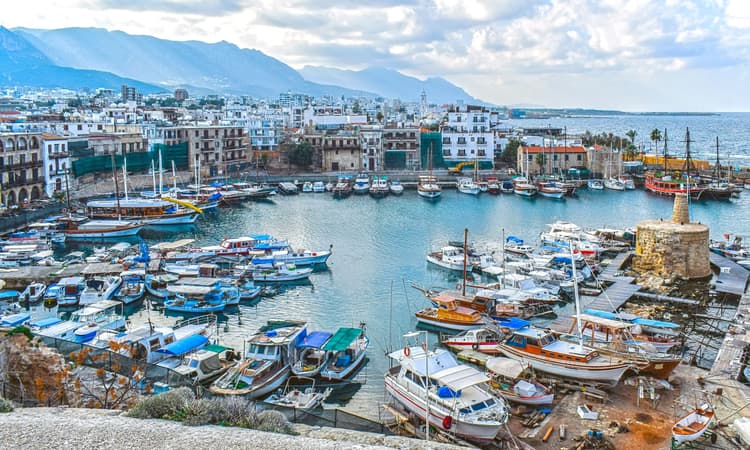
Cyprus: Europe’s Sunniest Destination – 300+ Sunny Days
Explore Cyprus, Europe’s sunniest destination with 300+ sunny days a year. Discover top resorts, best seasons to visit, and why it’s perfect for a holiday.
Read more

Belly Fat and Aging: New Scientific Discoveries
Recent research reveals how belly fat accelerates aging, boosts inflammation, and increases Alzheimer's risk—discover key health insights and prevention tips.
Read more
.jpg&w=750&q=75)
Burning Fat with Your Mind: How “Remembering” Cold Activates Brown Fat and Boosts Metabolism
Discover how recalling cold memories can trigger your brain to activate brown fat, boost metabolism, and aid weight loss—even from the comfort of a warm room.
Read more

Bridging the Education Gender Gap: Why Boys Fall Behind and How to Close It
Boys globally lag in language skills due to peer influence, stereotypes, and systemic issues—discover causes, impacts, and strategies to close the education gender gap.
Read more

How Intense Evening Workouts Disrupt Sleep, Says Monash University Study
Intense workouts within 4 h of bedtime delay sleep, cut duration, raise resting heart rate, and impair recovery, shows Monash University’s year‑long study.
Read more
Latest News
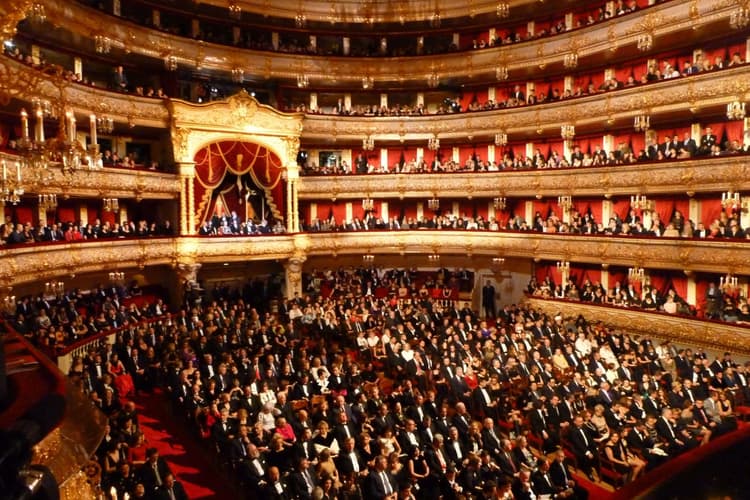
MHT vs MHAT: What’s the Difference Between Moscow’s Two Legendary Art Theatres
MHT and MHAT: what’s the difference between Moscow’s legendary art theatres? History, split of 1987, traditions, repertoires, and key distinctions explained.
Read more
.jpg&w=750&q=75)
Alexander Pushkin: Life, Exile, and Literary Legacy
A concise biography of Alexander Pushkin: childhood, exile, major works, family life, tragic death, and enduring legacy in Russian culture.
Read more
.jpg&w=750&q=75)
VDNKh Ice Rink 2025–2026: Season Opening, Prices, Schedule & Events
VDNKh ice rink opens 25 Nov 2025–1 Mar 2026. >20k m², tickets from 300₽, night sessions & events.
Read more
%20(1).jpg&w=750&q=75)
New Year 2025-2026 at VDNKh: Festive Program, Ice Shows and Skating Rink
VDNKh New Year 2025-26: huge fair, ice shows, theater, kids events & biggest rink. Dec 25-Jan 11, open daily till 23:00. Festive magic for all!
Read more
.jpg&w=750&q=75)
New Year's Moscow: A Magical Winter Fairy Tale 2025–2026
New Year's Moscow: sparkling lights, ice rinks, festive markets & fairy-tale decor on Red Square, Tverskaya, VDNH, GUM. Magical winter wonderland!
Read more