
10 min. to read
The Vision of Patriarch Nikon: The History of the Monastery’s Creation
The founder of the monastery was Patriarch Nikon, an outstanding church reformer of the 17th century. In 1656, he chose a picturesque location near Moscow to realize a grandiose idea: to create an exact architectural replica of the holy places of Palestine. The area received biblical names — the hills became Zion, Olivet, and Tabor, while the river flowing here was named the Jordan. Construction was carried out according to a special model of the Church of the Holy Sepulchre brought by Jerusalem Patriarch Paisios. The main goal was to establish a stavropegial monastery — a spiritual center under the direct authority of the patriarch. Nikon personally supervised the construction, investing in the project not only religious meaning but also a desire to demonstrate the greatness of Russian Orthodoxy.Trials Through Time
The monastery’s history is filled with dramatic events. After the revolution, the monastery was closed, but the museum organized here saved many buildings from destruction. The greatest damage was inflicted during the Great Patriotic War — retreating German troops blew up the cathedral and the bell tower. Restoration work continued for decades and was completed only in the early 21st century. Today the monastery is active again and welcomes believers from all over Russia.Architectural Treasures of the Monastery
The Resurrection Cathedral — The Heart of the Monastery
The central structure of the complex impresses with its grandeur. Built in the Moscow Baroque style, the cathedral combines Russian architectural traditions with elements replicating the Jerusalem Church of the Holy Sepulchre. The multi-tiered structure is crowned with a grand rotunda dome that fills the interior with soft light through numerous windows. The interior decoration is breathtaking: the colorful iconostasis reaches the height of an eight-story building, and the walls are adorned with architectural ceramics. At the center is the kouvouklion — a chapel replicating the Holy Sepulchre, where believers can venerate the sacred stone. The side chapels dedicated to the Virgin Mary and John the Baptist are decorated with ceramic iconostases, creating the unique atmosphere of an ancient temple. The cathedral holds deep symbolic meaning: it embodies the three key events of Christianity — the crucifixion on Golgotha, the burial, and the resurrection of Christ.The Underground Church of Constantine and Helen
This unusual church is sunk six meters into the ground. A staircase of 33 steps symbolizes the earthly life of the Savior. The church replicates the architecture of its Jerusalem namesake and is decorated with a copper iconostasis featuring chasing and gilding. Of particular value is the seat of Saint Queen Helena — a symbolic throne commemorating the finding of the True Cross.The Seven-Tier Bell Tower
The 17th-century bell tower was restored according to archival documents after wartime destruction. Its appearance with rows of glazed tiles has been recreated almost in its original form. Three bells from the historical set have survived, including a century-old giant weighing over 1.5 tons, now displayed for public viewing.Fortress Walls and Towers
Snow-white walls surround the monastery grounds, creating the impression of an impregnable fortress. A wide walkway along the top allows visitors to stroll while enjoying panoramic views of the monastery complex and surrounding landscapes. The eight towers built into the walls bear Palestinian names — Zion, Entry into Jerusalem, House of David. Interestingly, they never served a defensive purpose and were purely artistic in nature.Patriarchal Skete and Spiritual Sites
Nikon’s Retreat Hermitage
Outside the main territory stands a four-story building — the personal retreat of the patriarch. On the third level is the Church of the Epiphany with multicolored glazed-tile decorations. The structure is crowned by the small Church of Peter and Paul with a helmet-shaped dome. Here is a unique silent cell — a tiny room for complete solitude and prayer that only one person could enter.Siloam Font
The spring is named after the Gospel site where Christ healed the man born blind. The water emerges from under the ground at the northwestern foot of the hill. Although the original chapel has not survived, the place remains an important pilgrimage point.Gethsemane Garden
The green area beyond the monastery walls recreates the Gospel site of Christ’s prayer before the crucifixion. It houses a museum of wooden architecture with exhibits of folk life and features an old windmill. On weekends, visitors are offered an extended program including horseback rides and the chance to try on traditional peasant costumes.Sacred Relics of the Monastery
The monastery preserves several especially venerated holy objects:- Icon depicting the transfer of the relics of St. Philip, showing Patriarch Nikon’s participation in the event
- Ciborium in the chapel of St. Mary Magdalene
- Fragment of Patriarch Nikon’s omophorion — a surviving part of the vestment with a symbolic image of Christ
- Collapsible model of the Church of the Holy Sepulchre made of cypress and ivory, inlaid with mother-of-pearl, which served as the prototype for the construction
Practical Information for Visitors
How to Get to the Monastery
By suburban train: Trains from Kursky Station to Novoierusalimskaya station run every half hour. Then take a bus or walk along the marked Pilgrim’s Path (about 2.5 km). By bus: Route 372 from Tushinskaya metro station to Istra, then transfer to local transport. By car: Approximately 50 km along Volokolamskoye Highway or 58 km along Novorizhskoye Highway from Moscow. Guarded parking is available at the entrance, and a free parking lot is located south of the territory.Opening Hours and Rules
The grounds are open daily from 7:00 a.m. to 8:00 p.m. The schedule of services should be checked on the official website before visiting. When entering the churches, Orthodox dress code must be observed: women need a skirt and headscarf, men — trousers.Museum and Exhibition Complex
One kilometer from the monastery is a modern museum building opened in 2014. Its collections number about 200,000 items, including weapons, church utensils, paintings, and graphics. Three permanent exhibitions tell the history of the monastery, church and secular art, and display decorative-applied art objects made of precious metals.The Monastery in Russian Culture
The New Jerusalem Monastery has inspired many outstanding cultural figures. Fifteen-year-old Mikhail Lermontov visited in the summer of 1830, which was reflected in his poetry. Anton Chekhov, who worked as a doctor in nearby Voskresensk, was a frequent visitor and drew themes for his stories. Painter Isaac Levitan created studies in the surroundings, including his famous painting of the Istra River. The monastery was depicted on canvases by architect Matvey Kazakov at the end of the 18th century and by avant-garde artist Aristarkh Lentulov at the beginning of the 20th century, testifying to the enduring artistic value of the complex.Unique Features
Symbolism in Details: The Gethsemane Tower is covered with aspen roofing — a reference to the biblical story of Judas’s betrayal. A 3.5-meter wooden crucifixion is made of Palestinian cypress — the same material used for crosses in Roman times. Miraculously, it survived the fire during the cathedral explosion. Architectural Style: The complex is built in Moscow Baroque — a transitional style between ancient Russian architecture and European Baroque, characterized by lavish decoration and multi-tiered structures.Monastery Refectory and Souvenirs
Several catering establishments operate on the grounds. The refectory offers set meals of several courses, the vareniki café specializes in traditional dumplings with various fillings, and the blini café opens earliest for those who enjoy a hearty breakfast. Souvenir shops offer a wide selection ranging from souvenir magnets to Fedoskino lacquer miniatures, church utensils, icons, and spiritual literature. Products from the local Istra cheese dairy are especially popular.Final Thoughts
New Jerusalem is not just an architectural monument but a living spiritual center that preserves centuries-old traditions of Orthodoxy. Visiting this place brings peace and fills one with special energy regardless of religious beliefs. The well-maintained grounds, majestic buildings, museum exhibitions, and picturesque surroundings create ideal conditions for an educational holiday with family or friends. The Resurrection New Jerusalem Monastery remains a unique place where Russian architectural tradition has organically intertwined with the recreation of the holy sites of distant Palestine, creating an unparalleled ensemble of spiritual and cultural significance.
Latest Articles
Cyprus: Europe’s Sunniest Destination – 300+ Sunny Days
Explore Cyprus, Europe’s sunniest destination with 300+ sunny days a year. Discover top resorts, best seasons to visit, and why it’s perfect for a holiday.
Read more

Belly Fat and Aging: New Scientific Discoveries
Recent research reveals how belly fat accelerates aging, boosts inflammation, and increases Alzheimer's risk—discover key health insights and prevention tips.
Read more
.jpg&w=750&q=75)
Burning Fat with Your Mind: How “Remembering” Cold Activates Brown Fat and Boosts Metabolism
Discover how recalling cold memories can trigger your brain to activate brown fat, boost metabolism, and aid weight loss—even from the comfort of a warm room.
Read more
Bridging the Education Gender Gap: Why Boys Fall Behind and How to Close It
Boys globally lag in language skills due to peer influence, stereotypes, and systemic issues—discover causes, impacts, and strategies to close the education gender gap.
Read more

How Intense Evening Workouts Disrupt Sleep, Says Monash University Study
Intense workouts within 4 h of bedtime delay sleep, cut duration, raise resting heart rate, and impair recovery, shows Monash University’s year‑long study.
Read more
Latest News
.jpg&w=750&q=75)
VDNKh Ice Rink 2025–2026: Season Opening, Prices, Schedule & Events
VDNKh ice rink opens 25 Nov 2025–1 Mar 2026. >20k m², tickets from 300₽, night sessions & events.
Read more
%20(1).jpg&w=750&q=75)
New Year 2025-2026 at VDNKh: Festive Program, Ice Shows and Skating Rink
VDNKh New Year 2025-26: huge fair, ice shows, theater, kids events & biggest rink. Dec 25-Jan 11, open daily till 23:00. Festive magic for all!
Read more
.jpg&w=750&q=75)
New Year's Moscow: A Magical Winter Fairy Tale 2025–2026
New Year's Moscow: sparkling lights, ice rinks, festive markets & fairy-tale decor on Red Square, Tverskaya, VDNH, GUM. Magical winter wonderland!
Read more
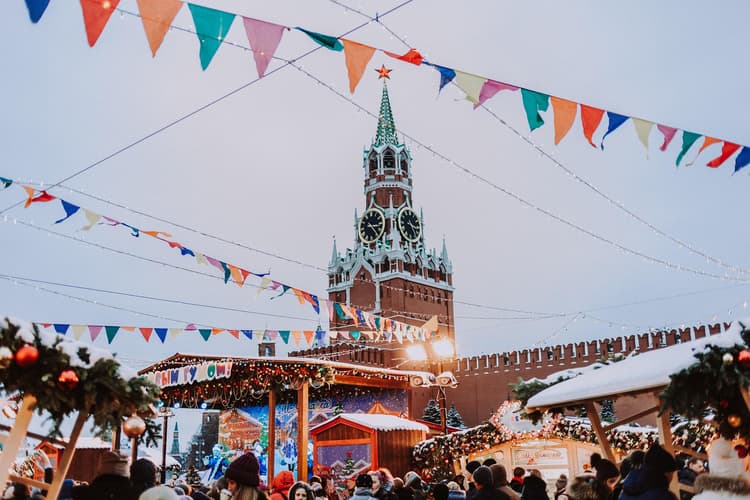
New Year’s Eve 2026 on Red Square: Access, Tickets, and Festivities
New Year’s Eve on Red Square: ticketed entry only, festive rink, market, events, decorations, and free city transport all night.
Read more
.jpg&w=750&q=75)
GUM Skating Rink on Red Square Opens 20th Anniversary Season
GUM Skating Rink on Red Square opened Dec 1 for its 20th season (until Mar 1, 2026). Dymkovo toy design, free weekdays till 14:30, stars at opening.
Read more