
.jpg&w=640&q=75)
December 25,8 min. to read
The Unique Location of the Oldest City
Jericho is located just 30 kilometers from Jerusalem and 12 kilometers northwest of the Dead Sea. The city is surrounded by natural springs that have supplied its inhabitants with water for millennia. A distinctive feature of its geographical position is that Jericho lies 258 meters below sea level, making it the lowest city on the planet. Thanks to abundant water, fertile lands, and a mild subtropical climate, these places have attracted people since prehistoric times. The ancient city stood on the central road crossing the Jordan Valley from the Sea of Galilee to the Dead Sea, which contributed to its prosperity as a trading center.Archaeological Discoveries Confirm the Settlement’s Antiquity
Finds from Different Eras
During excavations in Jericho, archaeologists discovered about ten cultural layers, the oldest of which date back to the 11th millennium BCE. Artifacts of the Natufian culture from the Mesolithic period have been found, confirming human presence long before the emergence of writing. The surviving structures of Jericho are among the oldest man-made constructions on the planet. They are several millennia older than the Egyptian pyramids. Researcher Kathleen Kenyon discovered a stone tower 8.5 meters high, built in the 8th millennium BCE, making it one of the oldest stone structures of humanity.Tell es-Sultan — A Witness to Antiquity
The archaeological site of Tell es-Sultan, located two kilometers north of the center of the modern city, is of particular interest to scholars. It was here that the first systematic excavations were carried out, begun by Charles Warren in the mid-19th century. The researcher believed that ancient Jericho was located at this site, as the most important natural spring was found here. Since 2023, the ruins have been included in the UNESCO World Heritage List, underscoring their exceptional value for understanding the development of human civilization.Jericho in Biblical Texts
The Legend of the Falling Walls
The city of Jericho is mentioned repeatedly in the Bible, with the most famous account being its capture by the Israelites under the leadership of Joshua. According to tradition, the city was surrounded by massive fortification walls that made it virtually impregnable. However, on the seventh day of the siege, when the priests circled the city seven times while blowing trumpets, the walls collapsed, and the army entered Jericho. This biblical narrative gave rise to the well-known expression “the trumpet of Jericho”, which means a very loud, deafening sound or voice.Other Sacred Events
In the New Testament, the story of the Jericho blind man is mentioned, whom Jesus Christ restored to sight. On the outskirts of the city stands the Mount of Temptation (Quarantel), where, according to tradition, Jesus fasted for forty days after his baptism and resisted the temptations of the devil. On the summit of the mountain, a Greek Orthodox male Monastery of the Temptation has been operating since the 4th century.A History of Destruction and Rebirth
The Canaanite Period of Prosperity
During the Canaanite period, Jericho was a wealthy and prosperous city. Its inhabitants actively traded salt from the Dead Sea, which brought significant income. Caravan routes to Syria and Egypt passed through the city, contributing to the development of trade and cultural exchange.Cycles of Destruction
Researchers believe that the biblical legend of the city’s destruction may have a real basis. However, the cause of the walls’ collapse was not the sound of trumpets, but a powerful earthquake that occurred during the Israelites’ conquest of Canaan. According to recent data, the destruction may have been caused by the fall of a large meteorite. Over the centuries, the city was repeatedly rebuilt and then destroyed again. In the 7th century, it was captured by the Arabs, and from the 13th century a Muslim settlement existed here. In the 19th century, the governor of Cairo, Ibrahim Pasha, destroyed the settlement during his military campaigns.Modern Jericho
Despite the curse of Joshua, according to which the city was never supposed to be rebuilt, modern Jericho is an inhabited settlement with a population of about 20–25 thousand people. It is the capital of the province of the same name within the Palestinian Authority.Tourist Attractions
The main attraction remains the archaeological complex of Tell es-Sultan. Here one can see the remains of ancient walls, towers, and residential buildings, although most of it consists of piles of stones that are at least seven thousand years old. Not far from the excavations is a spring in which, according to biblical texts, the prophet Elisha purified the water. To the north lies the ancient Shalom al-Israel Synagogue with a mosaic floor, accidentally discovered during the construction of a private house. The palace of Caliph Hisham, built in the 7th century, is located less than three kilometers from Old Jericho. It was intended to be used as a winter residence, but an earthquake destroyed the building before construction was completed. Today, visitors can see intricate carvings on the gates, mosaics, and the remains of a pool with a fountain.The Significance of Jericho for Science
The oldest city in the world is of immense value to archaeologists and historians. Excavations conducted here since the mid-19th century make it possible to trace the development of human civilization over eleven millennia. The discovered seventeen Bronze Age walls, the oldest stone tower, artifacts of various cultures — all this helps scientists understand how the first urban settlements were formed, how agriculture and construction skills developed. Findings in Jericho testify to humanity’s transition from a nomadic way of life to a sedentary one, to the emergence of agriculture and animal husbandry, and to the creation of the first systems of defense and social institutions.Jericho — A Living Monument of History
Jericho, located on the territory of Palestine, remains a unique place where the past is organically intertwined with the present. It is not just an archaeological monument, but a living city where people have continuously lived for more than ten thousand years. Its status as the oldest city in the world is confirmed by numerous scientific studies and archaeological findings. Each cultural layer tells its own story about the peoples who lived here, about the rises and falls of civilizations, and about the continuity of human presence in this blessed corner of the earth. Today, Jericho attracts tourists, pilgrims, and researchers from all over the world who wish to touch the origins of human civilization and see the place where the history of urban life began.Latest Articles

Generation Alpha: Who They Are, How They Think, and What the Future Holds
Generation Alpha is the first fully digital generation, shaped by AI, global connectivity, new values, and changing education, work, and social norms.
Read more

Who Is a Skuf: Meaning, Origins, and the Skufization Phenomenon in Modern Culture
An in-depth look at the term “skuf”: its origins, meaning in youth slang, cultural impact, memes, and practical ways to avoid skufization.
Read more
.jpg&w=750&q=75)
Who Are Zoomers: Generation Z Explained
Zoomers are Generation Z digital natives whose values, lifestyle, work habits, slang, and fashion are reshaping modern culture, business, and society.
Read more
.jpg&w=750&q=75)
How the Moon Formed: Theories, Collisions, and Scientific Discoveries
How the Moon formed: from the giant impact hypothesis to multi-impact models, alternative theories, and why the Moon is vital for Earth’s stability.
Read more
.jpg&w=750&q=75)
Solstice and Equinox: How Astronomical Events Shape the Seasons
An overview of solstices and equinoxes, explaining their astronomical causes, seasonal roles, differences between hemispheres, and cultural significance worldwide.
Read more

Setting Appropriateness & Romantic Success: New Study Insights
Discover how the perceived appropriateness of a setting drives the success of romantic advances—often outweighing factors like attractiveness or familiarity.
Read more
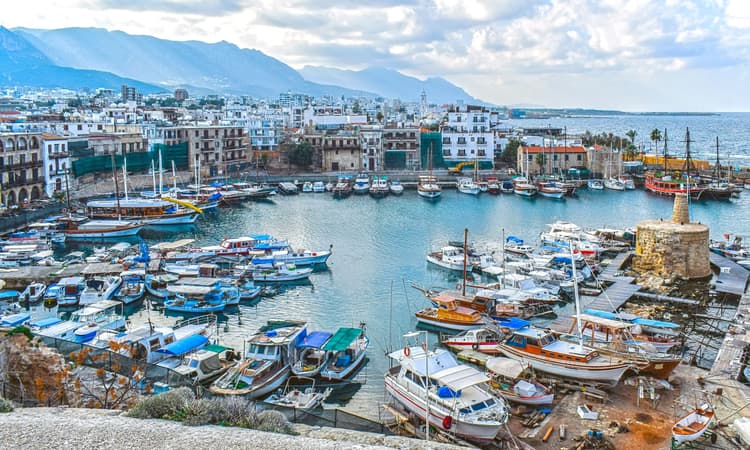
Cyprus: Europe’s Sunniest Destination – 300+ Sunny Days
Explore Cyprus, Europe’s sunniest destination with 300+ sunny days a year. Discover top resorts, best seasons to visit, and why it’s perfect for a holiday.
Read more

Belly Fat and Aging: New Scientific Discoveries
Recent research reveals how belly fat accelerates aging, boosts inflammation, and increases Alzheimer's risk—discover key health insights and prevention tips.
Read more
.jpg&w=750&q=75)
Burning Fat with Your Mind: How “Remembering” Cold Activates Brown Fat and Boosts Metabolism
Discover how recalling cold memories can trigger your brain to activate brown fat, boost metabolism, and aid weight loss—even from the comfort of a warm room.
Read more