
December 25, 2025,15 min. to read
What does the word “skuf” mean in youth slang
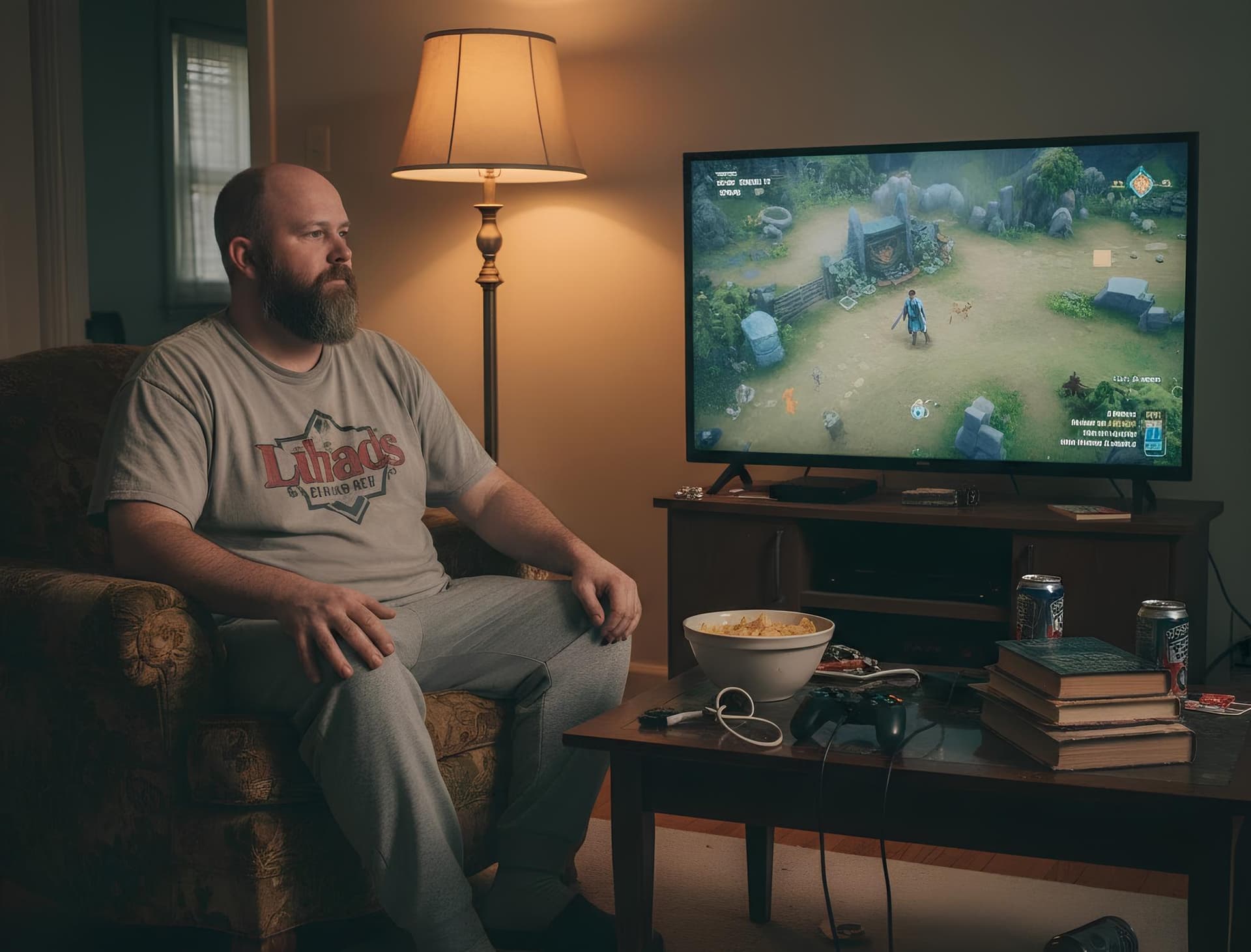
Skuf is a collective image of a man characterized by a neglected appearance and a certain lifestyle. In youth circles, this term is used to describe male individuals with recognizable traits: excess weight, lack of care for their appearance, and passive leisure habits. A typical skuf can be identified by several distinctive features. Visually, he is a man with excess weight, often with a noticeable beer belly, receding hairline, or unkempt hair. His clothing is usually wrinkled, worn out, or simply untidy. Stubble grows chaotically, forming a messy beard with no defined shape. Socially, skufs are portrayed as office or factory workers with relatively low income. Financial difficulties force them to regularly resort to loans. At the same time, many skufs are married and have children, which adds to their image as family men immersed in routine. A skuf’s leisure time is spent mostly passively: computer games take up the lion’s share of free time, television runs in the background, and among active pastimes there may be only occasional fishing trips. The image is often complemented by conservative views on life, rejection of modern trends, and criticism of the younger generation.The history of the term “skuf”
Aleksey Skufyin — the first skuf of the internet
The origin of the meme is linked to a real person — Aleksey Skufyin, a moderator of the political section on the Russian-language imageboard “Dvach.” The story began in 2018, when Skufyin got into a conflict with another forum user. Wanting to put his opponent in their place, the moderator recorded an emotional video address filled with harsh statements and criticism. In his video, Aleksey showed complete disregard for the risk of de-anonymization, openly showing his face and not concealing personal details. This proved to be a fatal mistake. Users of “Dvach,” known for their inclination toward trolling and doxxing, quickly uncovered the moderator’s biography, place of residence, family information, and workplace. Mass harassment followed: photos of Skufyin’s relatives, his address, and other personal details appeared online. Forum users actively mocked the moderator’s appearance and political views, creating the first memes. As a result, Aleksey was banned from “Dvach” and disappeared from the public space, but his surname took on a second life.The evolution of the term in internet culture
The word “skuf”, derived from Skufyin’s surname, became a common noun on the imageboard. Initially, it referred to men who looked like Aleksey or shared his political views. Gradually, the meaning expanded to encompass all representatives of a certain type. The term spread beyond “Dvach” in 2021 and by the end of 2023 had become a mass phenomenon of the Russian-language internet. The meme was revived thanks to short videos on Instagram and TikTok, where content creators depicted sketches from the lives of typical skufs: gaming until morning, drinking beer in front of the TV, heated political arguments in comment sections. In 2024, the word finally entered the active vocabulary of teenagers and young adults, and Gramota.ru included it in its list of the most significant words of the year. More than 400 philologist experts evaluated the nominees, and 229 of them voted specifically for “skuf.”Characteristic traits of a skuf
Appearance and age
A skuf can be identified by several external markers. Age plays an important role: usually men over 30 fall into this category, although the process of “skufization” can begin earlier if a person stops taking care of themselves. Body type of a typical skuf is characterized by excess body weight, a pronounced beer belly, facial puffiness, and overall flabbiness. The body mass index significantly exceeds the norm, indicating a sedentary lifestyle and poor diet. Hair and facial hair are in a neglected state. Receding hairlines progress without attempts to adjust the hairstyle, stubble grows unevenly, and the beard looks unkempt. Haircuts are either absent for months or done carelessly. Clothing and hygiene leave much to be desired. Clothes are chosen based on comfort rather than aesthetics: stretched T-shirts, wrinkled pants, washed-out hoodies. Nails are dirty, and body odor indicates irregular hygiene routines.Lifestyle and habits
A skuf’s pastime is marked by passivity. The main forms of entertainment are computer games, especially multiplayer online projects such as World of Tanks, Dota 2, or World of Warcraft. Gaming sessions can last for hours, displacing more active forms of leisure. Television runs almost continuously. Skufs watch everything: from football matches to political talk shows, from TV series to fishing programs. Television content becomes the main source of information and entertainment. Diet and alcohol shape the characteristic appearance. Beer becomes the favorite drink, consumed regularly and in large quantities. The diet consists of high-calorie and unhealthy food: fast food, chips, and processed meals. Cooking healthy food is perceived as an unnecessary waste of time and effort. Physical activity is minimized. The gym is excluded from a skuf’s life, walks are rare, and the only activity may be occasional fishing or hunting trips every few months. Even going to the store is often done by car rather than on foot.Skufs in popular culture and memes
Celebrity skufs
The internet community actively searched for skuf traits among famous personalities. This list included very different people, united only by certain external characteristics or lifestyle choices at a particular time. Leonardo DiCaprio was labeled a skuf after paparazzi photos appeared showing the actor looking heavier and carelessly dressed. Internet users noted that the Hollywood star no longer paid the same level of attention to his appearance. Elon Musk made the list due to weight gain and a casual clothing style at some public events. The billionaire, known for his workaholism, sometimes neglects his appearance in favor of work. Among Russian celebrities, skuf labels were applied to blogger Ilya Maddison, rapper Yuri Khovansky, Russia’s first president Boris Yeltsin, and actor Sergey Burunov. Sergey Svetlakov’s character in the series “Nasha Russia” — Sergey Belyakov — became a canonical example of a skuf in Russian pop culture.Memes and internet culture
The term gave rise to an entire universe of meme content. Derived words appeared: “skufization” (the process of becoming a skuf), “to skuf oneself” (to become a skuf), “skufinya” (the female version), “skufidon” and “skufonaut” (ironic synonyms). A popular meme emerged about the “skuf and the alt girl” — an absurdist concept according to which the state should issue each skuf a girl with alternative looks via the “Gosuslugi” public services portal. This joke simultaneously mocked the demands of unkempt men and the bureaucratization of all areas of life. In April 2024, a visual novel titled “Alt Girl for a Skuf” appeared on Steam, where the player could “experience being a forty-year-old, neglected, unmarried man.” The game quickly reached sales charts, demonstrating the commercial potential of the meme. Memes often placed skufs in comical and awkward situations, compared them with other archetypes (for example, “masiks” — conventionally successful and well-groomed men), and created fictional “scientific classifications” of different stages of skufization. Interesting fact: In December 2024, it became known that filming had begun on a comedy film titled “Skuf,” directed by Daniil Vorobyov. The premiere is scheduled for late 2025, confirming the meme’s transition beyond the internet into mass culture.The phenomenon of deskufization
A social movement
Memes influenced not only internet culture but also real life. Men who recognized themselves in the description of a skuf began publishing stories about “deskufization” — the process of getting rid of the characteristic traits of this archetype. On social networks, especially Twitter (X), numerous posts appeared with “before and after” photos. Authors showcased impressive transformations: losing 20–30 kilograms, gaining muscle definition, changing clothing style, and getting new hairstyles. Thousands of posts gathered under hashtags like #deskufization. The movement acquired the features of a social trend. Men shared advice on nutrition, training, and self-care. Online communities of mutual support formed, where participants motivated each other to continue their transformations. The fear of becoming a skuf became a powerful stimulus for change. Some experts noted the positive side of the phenomenon: the meme, despite its offensive nature, pushed many men to reflect on their health and quality of life. However, psychologists warned about potential negative effects on self-esteem and the need to seek motivation from more constructive sources.How not to become a skuf: practical recommendations
Taking care of appearance
Preventing skufization starts with the basics. Regular hygiene is the foundation: daily showers, use of deodorant, brushing teeth twice a day. Nails should be trimmed and clean, hair washed and styled. Hair and beard care requires consistency. Visit a barber every 3–4 weeks and maintain your hairstyle’s shape. If you wear a beard, trim it regularly and use oils and balms. Stubble should look intentional, not accidental. Clothing shapes first impressions. Clothes should be clean, ironed, and fit properly. Avoid stretched T-shirts and worn jeans in everyday wear. You don’t have to follow fashion trends — a basic wardrobe of quality items is enough. Shoes should always be clean and in good condition.Nutrition and health
A balanced diet is key to a healthy weight and good well-being. Include protein-rich foods in your menu: lean meat, fish, eggs, cottage cheese. Add sources of healthy fats: nuts, avocado, fatty fish with Omega-3. Vegetables, fruits, and greens should make up a significant portion of the diet. Avoid ultra-processed foods high in sugar, trans fats, and chemical additives. Fast food, soda, chips, and ready-made meals all contribute to weight gain and poorer health. Alcohol should be consumed in moderation or avoided entirely. The recommended limit is no more than 14 standard units per week (one unit equals 25 ml of vodka, 75 ml of wine, or 250 ml of beer). Regular alcohol abuse leads to weight gain, swelling, liver problems, and premature aging. Medical checkups help prevent diseases at early stages. Undergo a comprehensive health examination at least once a year. Do not ignore visits to the dentist — dental health affects overall condition and appearance.Physical activity
Movement is life, and that’s not just a saying. Regular exercise slows aging processes, maintains healthy weight, improves mood, and increases energy levels. Dedicate at least 30 minutes a day to physical activity. You don’t need to immediately buy a membership to an elite fitness club. Start simple: brisk walking, jogging, home workouts, cycling. The key is consistency, not intensity at the beginning. Include both cardio workouts (running, swimming, cycling) and strength exercises (weight training, push-ups, pull-ups). This combination is optimal for burning fat and building muscle mass. If you work at a computer, get an ergonomic chair that supports posture. Take breaks every hour: stand up, walk around, do a few exercises. Regulate screen time, especially before sleep.Self-development and interests
A skuf is not just about appearance, but also a state of mind. Intellectual development keeps the brain sharp and broadens horizons. Read books of different genres, watch documentaries and educational lectures, listen to podcasts on topics of interest. Online courses allow you to acquire new skills or deepen professional knowledge. Many platforms offer free programs in programming, design, languages, marketing, and other fields. Hobbies and interests make life more diverse. It can be anything: playing a musical instrument, photography, hiking, cooking, woodworking. What matters is that the activity brings pleasure and inspires you to step out of your comfort zone. Travel broadens perspectives and provides new impressions. You don’t have to travel abroad — explore attractions in your region, visit neighboring cities, discover new places for outdoor recreation.The psychological aspect
It is important to understand that neglect and apathy can be symptoms of depression or other psychological issues. If you notice persistent fatigue, loss of interest in life, overeating, or alcohol abuse, this is a reason to consult a specialist. A psychologist or psychotherapist can help identify the causes of this state and find ways out. Sometimes it is not possible to overcome depression through willpower alone — medication may be required alongside therapy. Develop skills of emotional self-regulation. The ability to manage emotions, thoughts, and behavior is the main tool for stress resilience in the modern world. Meditation, breathing practices, and cognitive-behavioral techniques help cope with tension. Remember: the ability to see skuf traits in yourself and the desire to change is already a good sign, indicating the presence of critical thinking. This means not all is lost, and the path to improvement is open.Conclusion
The term “skuf” has traveled a path from an offensive nickname of a specific individual to a full-fledged cultural phenomenon. Despite its negative connotation, it has had an unexpectedly positive impact: it prompted many men to reflect on their lifestyle, health, and appearance. It is important to remember that behind the image of a skuf often lie serious problems: emotional burnout, depression, lack of life goals. Mocking such people does not solve the problem — they need support and help in making changes. Preventing skufization is simple: taking care of health, regular physical activity, balanced nutrition, intellectual development, and openness to new experiences. These basic principles help maintain vitality and an attractive appearance at any age.Latest Articles
.jpg&w=1920&q=75)
Chinese New Year 2026: The Year of the Red Fire Horse and Its Traditions
Chinese New Year 2026 begins on February 17 and ushers in the Year of the Red Fire Horse, symbolizing energy, change, traditions, and renewal.
Read more

Who Is an “Ank” and What Does This Slang Term Mean
A detailed explanation of the slang term “ank,” its origin, traits, cultural meaning, ironic use by zoomers, and its role in modern youth language.
Read more

What Is Tilt: Causes, Signs, and How to Regain Emotional Control
Tilt is a state of emotional overload where rational thinking breaks down and impulsive actions take over, common in games, work, trading, and everyday life.
Read more

Phishing in 2026: Types, Risks, and How to Protect Your Data
Phishing uses AI and fake sites to steal data. Learn types, signs, protection methods, and actions if targeted to stay safe online.
Read more
%20(1).jpg&w=1920&q=75)
Cyberbullying: Types, Consequences, and How to Protect Yourself
Cyberbullying is online psychological abuse with serious mental, social, and physical consequences; anyone can be a victim, and prevention requires awareness and action.
Read more

“KFC Boss”: Meaning, Origin, and Why This Slang Term Is Considered Offensive
Explanation of the slang term “KFC Boss,” its meaning, origins, usage online, why it’s offensive, and how people respond to and protect themselves from it.
Read more
.jpg&w=1920&q=75)
Signs of a Gold Digger: How to Recognize Self-Serving Relationships
Signs of a gold digger include obsession with money, expensive gifts, jealousy, entitlement, and using relationships for wealth and status, not love.
Read more
.jpg&w=1920&q=75)
Understanding Trolling: Types, Techniques, and How to Protect Yourself Online
Trolling is a deliberate provocation in online communities aimed at causing conflict. It includes various techniques like subtle, heavy, and pseudo-trolling, and can be harmful.
Read more
.jpg&w=1920&q=75)
What Does “Chinazes” Mean: Origin and Use of a Youth Slang Meme
An overview of the meme word “chinazes”: its origin, meaning in youth slang, pronunciation, usage examples, cultural impact, and why parents shouldn’t worry.
Read more
.jpg&w=1920&q=75)
What Does KEK Mean? Origin and Meaning of the Popular Internet Meme
An overview of the KEK meme: its gaming origins, evolution from StarCraft and World of Warcraft, meanings in slang, cultural ties, and difference from LOL.
Read more