January 4,16 min. to read
What Bullying Is
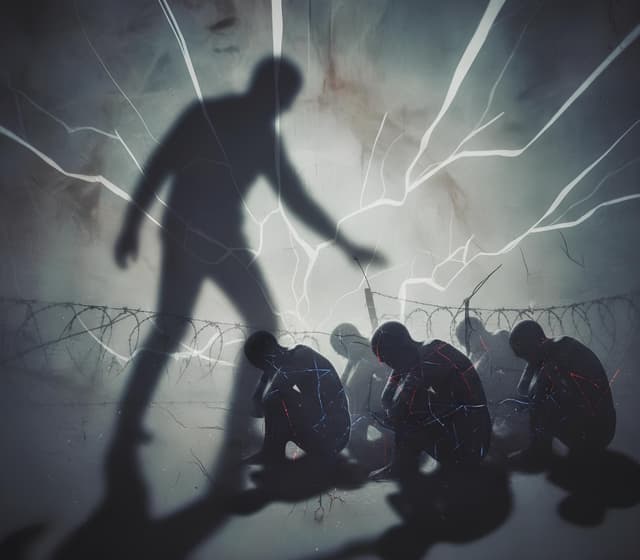
Bullying is intentional, ongoing harassment in which a clear inequality of power between the offender and the victim can be observed. It is terror in any form: psychological, physical, overt, or covert. The phenomenon has existed as long as human society itself, but its scientific study began only in 1969, when Norwegian psychologist Dan Olweus first applied a systematic approach to researching school bullying. Key difference from a conflict: in bullying, the victim has no chance to argue or win. The sides are unequal, and the advantage is always on the side of the aggressor. In the bullying process, there are always three parties involved: the aggressor (the bully and their followers), the victim (anyone can end up in this role), and the bystanders (those who do not intervene).Four Signs of Bullying
Power imbalance
The bullying victim is fundamentally unable to fight back. The offender may have a higher position, status, be physically stronger, or there may be several aggressors against one person.Systematic aggression
Aggressors use many methods: spreading rumors, sharing defamatory information, declaring a boycott, damaging belongings, ignoring, and using physical force.Repetition of actions
Situations in which incidents recur for longer than six months and at least once a week are classified as severe bullying. However, even shorter periods of harassment have serious consequences.Acute emotional reaction
The victim develops psychosomatic symptoms: headaches, sleep problems, stomach pain, and anxiety.Main Types of Bullying
Physical bullying
Includes direct violence: hitting, pushing, tripping, damaging or stealing personal belongings, blocking exits, locking someone in a room. This type of harassment is the easiest to notice and is often accompanied by verbal pressure.Verbal bullying
Manifests through mockery, offensive nicknames, threats, public humiliation, racial, gender, religious, or other discriminatory insults. It may be invisible to others but has a powerful negative impact on mental health.Social bullying
Aimed at isolating the victim and undermining their reputation through spreading rumors, slander, social exclusion, ignoring, manipulating friendships, and deliberate humiliation in front of others. It is especially dangerous because it leads to complete social isolation.Cyberbullying
Harassment using digital technologies: insults and threats on social networks and messengers, posting compromising photos or videos, spreading false information, cyberstalking. According to studies, 58% of Russians have experienced online harassment, and 37% believe that anyone can become a victim. Important: cyberbullying can occur anonymously and spread rapidly on social networks, making it especially destructive. The aggressor gains access to an unlimited audience and the ability to remain unidentified.Workplace mobbing
Collective harassment of an employee by colleagues with the aim of forcing them to resign. Victims most often include: quiet and calm workers, newcomers, competent specialists and workaholics, colleagues who have been promoted, and those who do not participate in corporate life. Methods include false rumors, slander, withholding important information, humiliation at meetings, and forcing overtime work.The Scale of the Problem
According to a meta-analysis, 35% of schoolchildren worldwide are involved in bullying in one way or another, and 15% in cyberaggression. In Russia, the situation is particularly acute: as of 2021, 55% of children in Russian educational institutions have experienced bullying. At the same time, 39% of victims prefer not to tell adults about it. The problem is relevant not only for students. Statistics show that 75.8% of Russian school teachers have experienced bullying from students. Moreover, low-income teachers are bullied twice as often as their more affluent colleagues.Causes of Bullying
Environmental factors
Family: lack of parental attention and emotional warmth, abuse, a tense home environment, direct or indirect encouragement of aggressive behavior. School or workplace: lack of a clear response to aggression, imperfect disciplinary systems, poor conflict management, ignoring incidents. Social environment: authoritative figures with aggressive communication styles, peer pressure, low levels of interaction culture. Online environment: the spread of hate and toxicity online, anonymity, and a sense of impunity.Psychological traits of the aggressor
It is important to understand that no one is born an aggressor. This role is formed under the influence of the social environment. Aggressors are often characterized by high impulsivity and low self-control, a desire for dominance, lack of empathy, absence of guilt, and a desire to raise their status by humiliating others. Although it is hard for victims, bullies themselves often have difficult lives as well. Aggressors frequently have problems at school or work, conflicts within the family, and low self-esteem. Violence becomes a way to feel significant, strong, and influential in at least one area of life.Who Can Become a Victim
There are no typical traits of victims — anyone can become one. However, it is important for bullies that the victim is easy to label. Aggression most often occurs for the following reasons: unusual appearance, shyness and withdrawal, untidy looks, lack of interest in what is popular among others, or newcomer status in a group.Consequences of Bullying for All Participants
For the victim
Anxiety, depression, chronic stress, low self-esteem, feelings of helplessness, difficulties in building trusting relationships, loss of motivation to study or work, psychosomatic disorders, sleep problems, risk of suicidal thoughts and self-harm. Victims are prone to developing post-traumatic stress disorder and social anxiety.For the aggressor
Contrary to the widespread belief that aggressors gain social benefits, participation in bullying also has negative consequences: habituation to cruelty and manipulation, a tendency toward aggressive behavior in adulthood, difficulties in building healthy relationships, inability to understand others’ feelings, criminal tendencies, and risk of suicidal behavior. For the instigator of harassment, the experience often becomes proof that brute force can secure a desired position in society. Violence becomes a way of communication.For bystanders
Witnesses experience psychological discomfort due to their inability to help, which stems from fear of becoming the next victim. They experience chronic stress and anxiety.For society as a whole
School: deterioration of the atmosphere, reduced safety, high levels of stress among students and teachers. Family: strained relationships, parental emotional burnout, feelings of guilt. Work: overall tension, alienation, and cruelty affect work quality and results, income, corporate culture, staff turnover, and reputation. Society: growth of aggression and violence, and an increase in the number of people with psychological trauma.How to Recognize Bullying
Signs in the victim
Sudden mood swings, irritability, increased anxiety, withdrawal from friends, loneliness, complaints of headaches and stomach pain, insomnia, fatigue, skipping school or work, poor performance, reluctance to go to school or work, shame, guilt, low self-confidence, nervousness when encountering the aggressor. The main problem of bullying is its latency, when adults lack the time, professionalism, or willingness to see that a person is suffering. This can lead to serious trouble.Signs in the aggressor
A desire to control and humiliate weaker individuals, use of manipulative phrases or actions, minimizing others’ feelings, ignoring personal boundaries, forming groups to jointly humiliate the victim.What a Bullying Victim Should Do
Name what is happening bullying. This is a difficult but important step that helps avoid feeling guilty about what happened. The problem lies with the aggressor, not the victim. Talk to the offenders. Try to find out the reason for such behavior. It may stem from a conflict whose resolution could stop the aggression. Do not stay silent. Silence is tacit approval of what is happening. If bullying occurs at school, contact teachers, a school psychologist, or the principal. At work, report the situation to management. Find support. Share the problem with loved ones who can provide support. If the person informed does nothing to stop the bullying, turn to someone else. Consult a psychologist. A specialist will listen, suggest solutions, and help develop a line of behavior. Keep a diary. Collect evidence: records of where and when aggression occurred, screenshots of threatening or insulting messages, descriptions of your feelings. Document injuries. In cases of physical violence, seek medical attention to officially record bruises and injuries. Contact authorities. With evidence, you can file a police report. This is not cowardice but a reasonable attitude toward your health. Important to remember: if you do not feel supported — leave. This is a way to protect and take care of yourself, not escape or weakness. The cause of bullying always lies in unhealthy group dynamics, not in you.How to Help a Bullying Victim
Thank them for their trust. A simple “thank you” shows that you take the problem seriously and with understanding. This is very important for someone who feels alone with their trouble. Do not blame. In bullying, the problem lies with the aggressor, not the victim. A person’s traits are not the cause of bullying, only a pretext. Be there. Let the person know they are not alone: stay close, say you are on their side, and that they are not to blame. Hug them and spend time together. Discuss an action plan. How to behave and whom to contact for help to stop the bullying. Encourage seeking help. Sometimes people share problems not to find solutions but to avoid carrying the burden alone. In such cases, emphasize the seriousness of the situation and offer to seek help together from those who can influence it.Recommendations for Parents
How to tell if a child has become a victim
Pay attention to changes in behavior: withdrawal, low mood, irritability, systematic truancy or reluctance to go to school, somatic complaints.How to help without making the situation worse
Create an atmosphere of trust. Open communication is the key to resolving not only bullying issues but other difficulties as well. Trust ensures children are not afraid to ask for help. Support your child. Say that you are on their side. Be there — hug them and spend time together. Have regular conversations. Listen to what your child says about school life, friends, and relationships with others. Discuss the problem with the teacher. Talk to the school psychologist and agree on joint actions to resolve the issue. Teach self-protection. Explain how to set personal boundaries and respond calmly and confidently to aggressors if possible. Do not appeal to pity or “fight back” — this can provoke more aggression. Consult a psychologist. If bullying is hard to cope with, professional help is necessary. In cases of physical aggression. Temporarily stop school attendance to ensure safety.The Role of Teachers and Educational Institutions
Schools should create an atmosphere of mutual respect and safety where bullying is unacceptable. Implementing programs that teach respect and tolerance can significantly reduce the number of incidents. Teachers observe relationships between children, notice alarming signs of bullying, and can prevent further consequences in time. They should teach constructive methods of conflict resolution and instill communication skills that help avoid violence and aggression. Important: many adults either do not notice bullying or do not intervene, considering it a natural stage of growing up. This is wrong. Bullying can only be stopped with adult involvement. A victim, being in a weaker position, cannot effectively protect themselves alone. Educators should actively interact with parents, report possible signs of bullying, and jointly seek solutions to eliminate the problem.Anti-Bullying Programs and Legal Protection
Effective programs worldwide
Norway: the Olweus Bullying Prevention Program (OBPP), created by research psychologist Dan Olweus. After its implementation, the number of bullying cases was reduced by half. Spain: the SAVE project reduced the number of aggressors by 57%. Ireland: the Donegal program helped reduce the number of bullies by 20%. Russia: anti-bullying initiatives include the projects “Everyone Matters” and “No Bullying.” A hotline has also been launched for those facing online harassment.Legal framework
When each bullying situation is considered in legal terms, it may fall under various articles of the Criminal Code: slander, incitement of hatred or hostility, vandalism, property damage, and more. Unlike simple violence, bullying always involves aggressive, prolonged, and systematic actions. Punishment depends on the circumstances: disciplinary measures (remarks or warnings), administrative penalties for minor offenses (fines for parents or expulsion from school), and up to real criminal sentences.Debunking Myths About Bullying
Myth 1: Only children from disadvantaged families are involved in bullying. Reality: Bullying can occur in any group, regardless of social status. Myth 2: Only weak, quiet, or shy people become victims. Reality: Anyone can become a victim. Personal traits are not the cause of bullying, only a pretext. Myth 3: Bullying happens only in classes with bad teachers. Reality: Harassment depends on the group climate and can occur even with attentive educators. Myth 4: Bullying happens only among teenagers. Reality: Adults also face bullying at work and online. Myth 5: Bullying resolves itself; it’s just a teenage issue. Reality: No one can resist bullying alone. Victims, aggressors, and witnesses all need help and support. Myth 6: Responsibility for bullying lies solely with the school psychologist. Reality: Solving the problem requires the involvement of all adults: parents, teachers, and administrators.Key Takeaways
Bullying is not a private issue but a phenomenon that affects all levels of society. Preventing and countering harassment should be a priority for parents, educators, and society as a whole. Key points: Bullying is systematic, prolonged aggression, not a one-time conflict. 35% of schoolchildren worldwide are involved in bullying; in Russia, 55% of children have faced harassment. The consequences affect everyone: victims, aggressors, and bystanders. The cause of bullying lies in an unhealthy group climate, not in the victim’s traits. The main weapon against bullying is open communication, timely adult intervention, and professional help. Remember: if you or someone close to you is facing bullying — do not stay silent. Seek help from professionals and use available support resources. Bullying can and must be stopped.Latest Articles
.jpg&w=750&q=75)
Signs of a Gold Digger: How to Recognize Self-Serving Relationships
Signs of a gold digger include obsession with money, expensive gifts, jealousy, entitlement, and using relationships for wealth and status, not love.
Read more
.jpg&w=750&q=75)
Understanding Trolling: Types, Techniques, and How to Protect Yourself Online
Trolling is a deliberate provocation in online communities aimed at causing conflict. It includes various techniques like subtle, heavy, and pseudo-trolling, and can be harmful.
Read more
.jpg&w=750&q=75)
What Does “Chinazes” Mean: Origin and Use of a Youth Slang Meme
An overview of the meme word “chinazes”: its origin, meaning in youth slang, pronunciation, usage examples, cultural impact, and why parents shouldn’t worry.
Read more
.jpg&w=750&q=75)
What Does KEK Mean? Origin and Meaning of the Popular Internet Meme
An overview of the KEK meme: its gaming origins, evolution from StarCraft and World of Warcraft, meanings in slang, cultural ties, and difference from LOL.
Read more

Ghosting: What It Is, Why It Hurts, and How to Cope
Ghosting is the sudden, explanation-free end of communication that causes emotional harm, affects self-esteem, and reflects avoidance, immaturity, or fear in relationships.
Read more

Why Memes Replaced Anecdotes in the Digital Age
Why memes replaced anecdotes: digital speed, visual form, collective creativity, and adaptability make memes ideal for modern online communication.
Read more

What Does “LOL” Mean? Origin, Usage, and Role in Modern Communication
A concise guide to the meaning, origin, usage, history, and synonyms of “lol,” explaining its role in modern internet and everyday communication.
Read more

OMG: Meaning, History, and Use in Internet Slang
Explanation of the meaning, history, usage, and cultural significance of the abbreviation OMG in internet slang, including examples and its recognition in dictionaries.
Read more

Slavic Gods: Pantheon, Myths, and Cultural Legacy
Overview of Slavic paganism and its main gods, their roles, symbols, myths, and lasting influence on culture, language, and traditions.
Read more